
Introduction
Biotechnology is transforming the way we produce food, prevent diseases, and improve human health. It involves using living organisms, cells, or biological processes to develop useful products and technologies. In Nigeria, microbiologists play an important role in this transformation by studying microorganisms such as bacteria, fungi, and viruses and applying their knowledge to solve real-life problems.
From improving soil fertility to discovering new medicines, microbiology is helping Nigeria explore locally available biological resources, strengthen food security, and support pharmaceutical development.
Transforming Agriculture Through Microbial Biotechnology
Agriculture remains an important part of Nigeria’s economy, providing food, employment, and income for millions of people. However, farmers face challenges such as declining soil fertility, crop diseases, and high costs of chemical fertilizers and pesticides.
Microbiologists are addressing these challenges through the application of beneficial microorganisms. Certain bacteria, such as Rhizobium and Azotobacter, can improve the availability of nutrients in soil, particularly nitrogen, which plants need for healthy growth. Similarly, mycorrhizal fungi form beneficial relationships with plant roots, helping crops absorb water and essential minerals.
These microorganisms can be developed into biofertilizers, offering farmers environmentally friendly alternatives or supplements to conventional fertilizers. Other beneficial microbes are used in the development of biopesticides, which help control agricultural pests and plant diseases while reducing dependence on synthetic chemicals.
Microbiology also supports the production of fermented foods such as yoghurt, cheese, and traditional Nigerian food products. Through controlled fermentation, microorganisms improve food preservation, flavour, and, in some cases, nutritional quality. These applications create opportunities for local food processing, entrepreneurship, and employment.
Advancing Pharmaceutical Innovation
Microbiologists also contribute significantly to pharmaceutical research and healthcare development. Many important medicines originate from microorganisms. For example, Penicillium fungi are associated with the discovery of penicillin, one of the earliest antibiotics that transformed the treatment of bacterial infections.
In Nigeria, microbiologists investigate bacteria, fungi, and other biological resources to identify potentially useful antimicrobial compounds. This research is particularly important because antimicrobial resistance, which occurs when microorganisms no longer respond effectively to medicines, threatens the successful treatment of infections.
Microbiologists also contribute to vaccine research, disease diagnosis, quality control of pharmaceutical products, and the development of biological products. Through molecular biology, genetic engineering, and microbial biotechnology, researchers can investigate new approaches to disease prevention and treatment.
The World Health Organization has identified local pharmaceutical, vaccine, and biological production as important components of Nigeria’s healthcare development. This creates opportunities for microbiologists, pharmacists, biotechnologists, and other scientists to collaborate in strengthening local research and manufacturing capacity.
Building a Healthier and More Sustainable Nigeria
Despite these opportunities, biotechnology development in Nigeria faces challenges, including inadequate research funding, limited laboratory infrastructure, and the need for stronger collaboration between universities, industries, and government agencies.
Addressing these challenges requires sustained investment in scientific research, modern laboratory facilities, professional training, and the commercialization of research findings.
Ultimately, biotechnology demonstrates that microorganisms are not merely agents of disease; they are valuable biological resources capable of improving human life. Through their contributions to agriculture, food production, medicine, and environmental sustainability, microbiologists are helping Nigeria develop practical solutions to national challenges.
As Nigeria continues to strengthen its scientific and technological capacity, microbiologists will remain essential to building a more productive agricultural sector, a stronger pharmaceutical industry, and a healthier society.
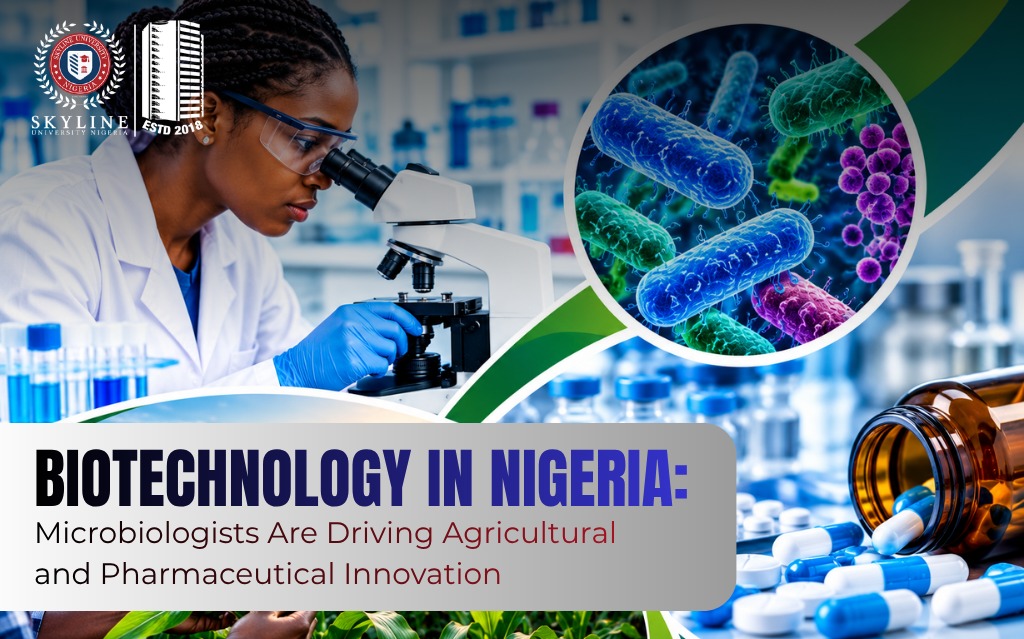
Figure 1. Application of microbial biotechnology in agriculture, food production, pharmaceutical research, and healthcare innovation in Nigeria.
References
- Salisu, B. U., & Isiya, S. (2024). Biofertilizer production using phosphate-solubilizing Pseudomonas specie isolated from rhizosphere soil: Towards indigenous biofertilizer for enhanced crop productivity in Katsina, Nigeria. UMYU Journal of Microbiology Research, 9(1), 123-133.
- World Health Organization. (2024). A case study on the ecosystem for local production of pharmaceuticals, vaccines, and biologicals: the Nigeria context. World Health Organization.
- Oluwamakinde, E. P., Akpofure, O. D., Adeniran, S. O., & Fagbenro, O. S. (2026). Integrating advanced molecular biotechnology tools into toxicological research infrastructure for sustainable development in Nigeria. Discover Toxicology, 3(1), 1.
written by/
Abdulsalam Mustapha
Head of Department, Microbiology,
Skyline University Nigeria