Skyline University Nigeria

Career Fair 23-4-2025

MTN, KEDCO, A. A. Rano and others participate in Skyline University Nigeria students career fair

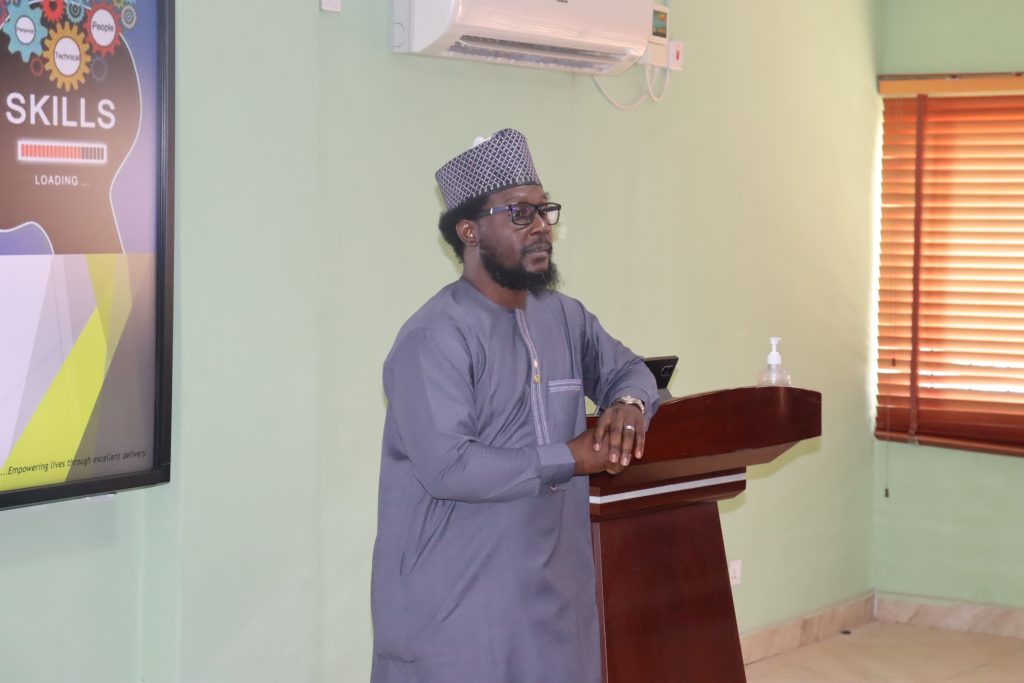
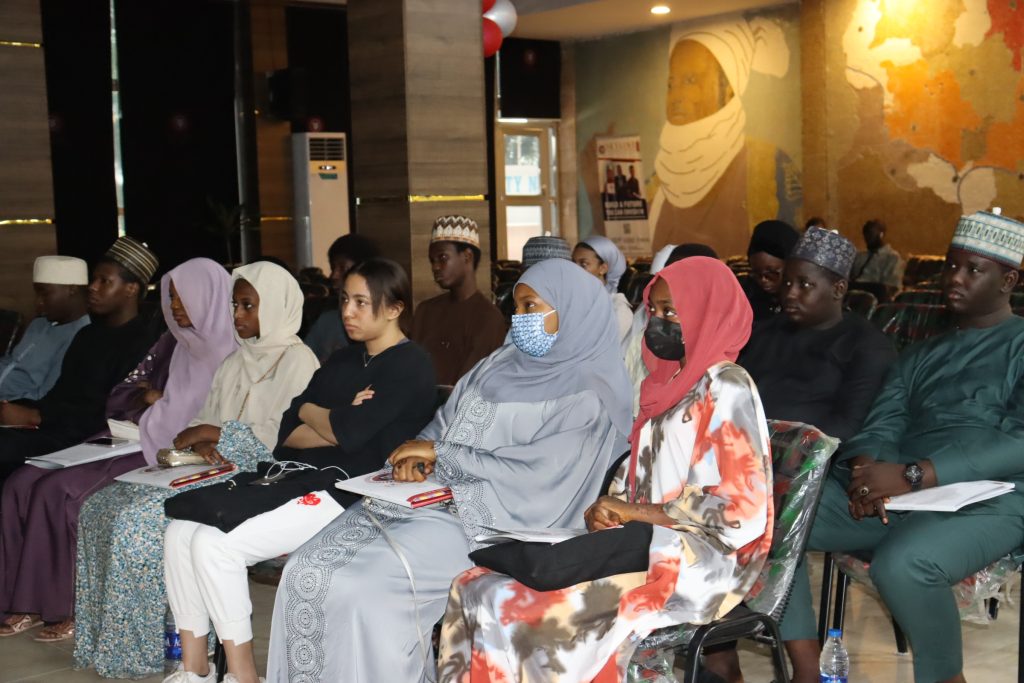
Notable Nigerian companies and businesses were in attendance at the students career fair organised by Skyline University Nigeria (SUN) that was conducted on April 23rd, 2025, at the university’s auditorium. Companies like MTN, KEDCO, Kano Medical Centre, Union Bank, A. A. Rano, Gigee Consultancy, R H Plastics Kaduna, Start-up Kano, Boodcheck and Ilera Care Limited attended the event. The fair was organised by the department of corporate affairs at SUN under the leadership of Ms. Sarada Maganti and the corporate affairs executive, Mr. Umar Faruk Isma’il. The event also had in attendance the Ministry of Information and Technology, while virtually, Raven and Macaw and 3 other organisations were in attendance. In all, the prestigious institution hosted about 15 companies, including the ministry, for the fair. Delivering his remarks during the event, the Vice-Chancellor of SUN, Prof. Ajith Kumar V. V., extended his gratitude on behalf of the institution’s management to the companies that attended the event. He said the event was specially organised to aid students in getting easy access to the companies and pitching their CVs for placements and employment opportunities. He motivated the students and alumni to put in their best during the mock interviews and engagement with the senior managers and HR officials. SUN students and alumni had highly interactive sessions with the companies, with many getting to submit their CVs and having interviews. Particularly, the alumni appreciated the university for continuing to support them after graduation with life-changing opportunities, while the students lauded its efforts in enabling them to realise their potentials early. On the part of the HR experts and senior managers for the various organisations and the ministry, they expressed their satisfaction with the quality of the students. They emphasised the soft skills that the students exhibited and the exceptional communication skills they showcased. They then hailed the university for imparting the best education to students while exposing them to industry best practices early in their respective careers. You can join the conversation on Facebook @SkylineUniversityNG and on Twitter @SkylineUNigeria  

MTN, KEDCO, A. A. Rano and others participate in Skyline University Nigeria students career fair Read More »

BOOT CAMP AND REBOOT PROGRAMMES

School of Science and Information Technology conducts Computer Science Week

The School of Science and Information Technology (SSIT) at Skyline University Nigeria successfully conducted its annual Computer Science Week from April 14th to April 17th, 2025, at the university campus. The event was designed to inspire students to engage more deeply with technology, innovation, and research. It brought together undergraduate students, faculty members, guest speakers, and industry professionals, creating an exciting environment for learning, networking, and discovery within the rapidly evolving field of computer science. In his opening remarks to mark the commencement of the week, Dr. Senthil Kumar, the Dean of SSIT, said the school conducts the week to enable students learn through interactive activities and peer-to-peer learn. He admitted that it serves as an avenue for the students to explore their potentials and career paths. Throughout the week, a wide range of activities were held to enhance students’ technical and soft skills. A major highlight was the Hackathon competition, where teams of students collaborated intensively to develop innovative solutions to real-world challenges within a limited time frame. The Hackathon encouraged creativity, critical thinking, and teamwork, with winners receiving awards and certificates of excellence. Alongside the Hackathon, a series of webinars were organized, featuring renowned experts who spoke on trending topics such as artificial intelligence, cybersecurity, data science, and software engineering. These sessions offered students cutting-edge insights and career guidance directly from the tech industry’s frontline. Adding to the week’s excitement, students had the opportunity to present their individual and group projects before a panel of judges. These presentations showcased a variety of software applications, mobile apps, and tech-driven initiatives developed as part of their coursework and personal research. The project exhibition not only demonstrated the students’ technical capabilities but also emphasized innovation and entrepreneurship, encouraging them to think beyond academics toward real-world application and potential start-up ideas. The Computer Science Week concluded with a spirited debate competition, where students argued both sides of key technological topics. These debates sharpened the participants’ critical thinking, public speaking, and argumentation skills. Overall, Computer Science Week 2025 proved to be a dynamic and impactful event, further cementing Skyline University Nigeria’s commitment to nurturing future leaders in technology and innovation. You can join the conversation on Facebook @SkylineUniversityNG and on Twitter @SkylineUNigeria  

School of Science and Information Technology conducts Computer Science Week Read More »

CV CLINIC 17-4-2025

Skyline University Nigeria conducts CV Clinic session for students

Skyline University Nigeria (SUN) has on April 16th 2025, conducted a CV Clinic session for final year students and some of the university’s alumni. The session, facilitated by Mr. Umar Farouk Isma’il, corporate affairs executive at the university, hosted Dr. Ajayi Olumide, the Dean of the School of Arts, Management and Social Sciences (SAMSS) and the Mrs. Deepti K. S. a seasoned Human Resource professional. Dr. Olumide shared valuable academic perspectives on aligning personal achievements and skills with career goals, encouraging students to highlight internships, leadership roles, and community involvement. He noted that a well-crafted CV is not just a document but a personal marketing tool that can open doors to numerous career opportunities. He then encouraged participants to view the clinic as an interactive platform where they could seek advice, ask questions, and leave with actionable insights to enhance their career prospects. On her part, Mrs. Deepti provided a practical, industry-driven viewpoint, discussing current hiring trends, common mistakes found in CVs, and tips for standing out during recruitment processes. She also encouraged the students to be confident during interview sessions to increase their chances of recruitment. Participants engaged actively during the Q&A session, seeking advice on areas such as writing professional summaries, tailoring CVs for specific industries, and incorporating soft skills effectively. The session ended with a networking segment where students and alumni had the opportunity to connect directly with the facilitators for further guidance. In his closing remarks, Mr. Umar expressed appreciation to Dr. Olumide and Mrs. Deepti for their mentorship and reaffirmed SUN’s commitment to supporting students’ career readiness through regular professional development activities. You can join the conversation on Facebook @SkylineUniversityNG and on Twitter @SkylineUNigeria  

Skyline University Nigeria conducts CV Clinic session for students Read More »

Guest Lecture Session 17-4-2025

Mass Communication department hosts media professional on a guest session

Mass Communication department at Skyline University Nigeria (SUN) has yesterday, April 16th 2025, hosted Mr. Naziru Mika’il, a former editor-in-chief of Daily Trust, for a guest lecture session for the students of Mass Communication. The virtual event, facilitated by Mr. Usman Balarabe Bello, a lecturer from the Department of Mass Communication, was titled ‘Journalism in the Digital Era’. During his lecture, Mr. Mika’il explored how the advent of digital technology has redefined news gathering, reporting, and distribution. He emphasized that while traditional journalism values such as accuracy, fairness, and objectivity remain paramount, journalists today must adapt to the speed and demands of online platforms. According to him, the rise of social media and citizen journalism presents both opportunities and challenges, requiring journalists to be more vigilant in verifying information before dissemination. He further discussed the growing importance of multimedia skills for modern journalists. Mr. Mika’il urged students to develop competencies beyond writing, such as video editing, podcast production, data visualization, and the strategic use of social media platforms for storytelling. He noted that audiences today consume news in diverse formats, and the ability to deliver content across multiple channels increases a journalist’s relevance and career prospects. The guest speaker also touched on ethical issues in digital journalism, stressing that the pressure to be first should never outweigh the responsibility to be truthful. He highlighted real-world cases where misinformation caused public panic and underscored the need for media organizations to implement rigorous fact-checking procedures. Mr. Mika’il encouraged the students to prioritize credibility and professionalism, noting that in the digital age, trust is the most valuable currency for any journalist. At the end of the session, students engaged Mr. Mika’il with a series of insightful questions, ranging from the future of investigative journalism to the role of artificial intelligence in newsrooms. He expressed optimism that despite the challenges, journalism would continue to thrive as long as practitioners remain committed to ethical standards and innovation. The Department of Mass Communication at SUN expressed its gratitude to Mr. Mika’il for sharing his experience and reaffirmed its commitment to preparing students for the dynamic world of modern journalism. You can join the conversation on Facebook @SkylineUniversityNG and on Twitter @SkylineUNigeria  

Mass Communication department hosts media professional on a guest session Read More »

FDP 16-4-2025

SUN conducts Faculty Development Program

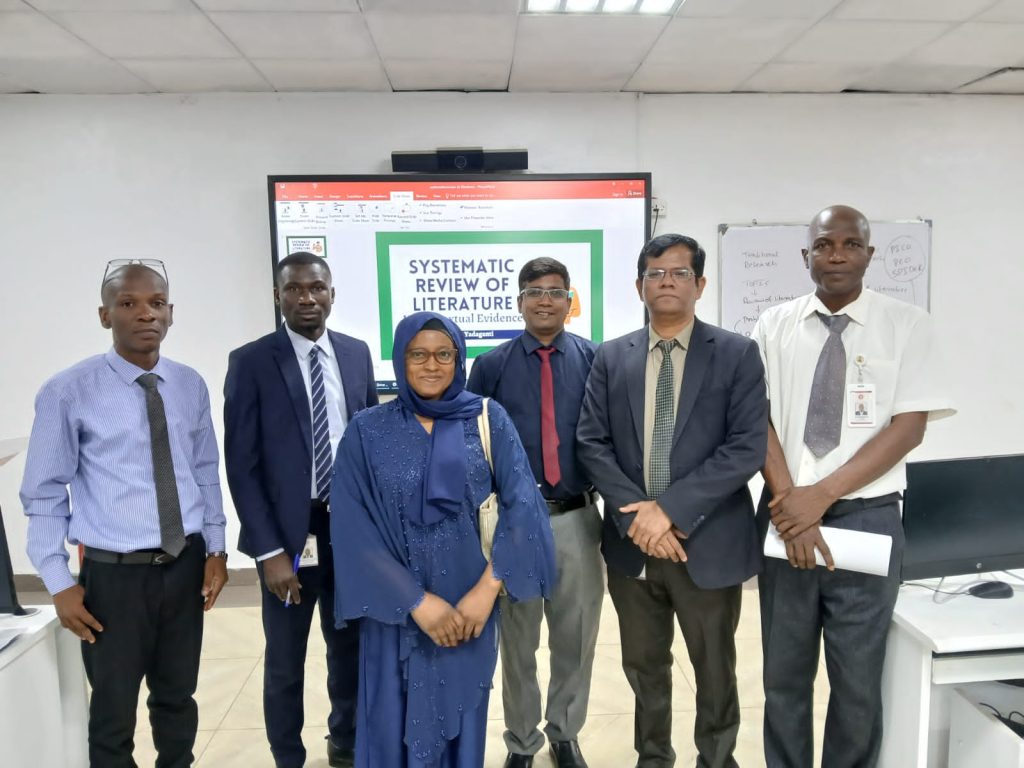
Skyline University Nigeria (SUN) has conducted a Faculty Development Program for the faculty staff of the university. The session titled ‘Systematic Review of Literature using Textual Evidence’ was delivered on Monday 14th, 2025 by Dr. Raghu Yadaganti, a senior lecturer in the School of Arts, Management and Social Sciences (SAMSS). Dr. Yadaganti emphasized the importance of systematic literature reviews in academic research, particularly in providing a structured and objective synthesis of existing studies. The session introduced participants to the foundational frameworks of systematic reviews, including the formulation of focused research questions and the use of digital databases for literature search. One of the key components addressed by the expert was the exploration of textual evidence—the use of direct quotes, paraphrased insights, and thematic interpretations from scholarly sources to support arguments, identify research gaps, and build strong narratives within academic writing. Dr. Yadaganti emphasized the importance of systematic literature reviews in academic research, particularly in providing a structured and objective synthesis of existing studies. The session introduced participants to the foundational frameworks of systematic reviews, including the formulation of focused research questions and the use of digital databases for literature search. One of the key components addressed by the expert was the exploration of textual evidence—the use of direct quotes, paraphrased insights, and thematic interpretations from scholarly sources to support arguments, identify research gaps, and build strong narratives within academic writing. He then explained that the PRISMA model offers a standardized way to report the process of identifying, screening, and selecting research studies in a systematic review. Participants were guided through the PRISMA flow diagram, which maps out each stage of the review process from initial identification of records to final inclusion, ensuring transparency and reproducibility. In addition to PRISMA, the session delved into Meta-Analysis, a statistical technique used to combine and analyze data from multiple studies, providing a more precise estimate of the overall effect of a phenomenon or intervention. Dr. Yadaganti highlighted that meta-analysis is especially valuable in fields such as social sciences, medicine, and education, where synthesizing findings across studies can lead to stronger, evidence-based conclusions. Dr. Yadaganti concluded the session by encouraging the faculty members to adopt systematic reviews in their research activity since, along with improving the academic rigor of publications, they contribute a lot to the knowledge base in fields. The Faculty Development Program is part of SUN’s overall plan for upskilling its faculties and ensuring the research conducted in the university is to international standards of quality and applicability. You can join the conversation on Facebook @SkylineUniversityNG and on Twitter @SkylineUNigeria  

SUN conducts Faculty Development Program Read More »

tuesday

Emerging Trends in Education

The landscape of education is in constant flux, driven by technological advancements, evolving societal needs, and a deeper understanding of how individuals learn. Several key trends are emerging that promise to reshape the educational experience in profound ways, fostering more personalized, engaging, and effective learning environments. One of the most significant trends is the integration of Artificial Intelligence (AI) into various aspects of education. AI-powered tools are being developed to personalize learning pathways, analyze student performance to provide targeted feedback, automate administrative tasks for educators, and even generate customized learning content. Imagine a system that adapts the curriculum in real-time based on a student’s understanding, offering additional support where needed and accelerating when mastery is demonstrated. This move towards adaptive learning ensures that each student can learn at their own pace and in a way that best suits their individual needs and learning style. Another powerful trend is the increasing adoption of immersive technologies like Virtual Reality (VR) and Augmented Reality (AR). These technologies offer unparalleled opportunitiesfor experiential learning.  Instead of simply reading about historical events, students can virtually walk through ancient civilizations. Complex scientific concepts can be visualized in three dimensions, making abstract ideas more tangible and understandable. AR can overlay digital information onto the real world, enriching classroom activities and field trips with interactive elements. This hands-on, immersive approach can significantly boost student engagement and retention of information. The landscape of education is in constant flux, driven by technological advancements, evolving societal needs, and a deeper understanding of how individuals learn. Several key trends are emerging that promise to reshape the educational experience in profound ways, fostering more personalized, engaging, and effective learning environments. One of the most significant trends is the integration of Artificial Intelligence (AI) into various aspects of education. AI-powered tools are being developed to personalize learning pathways, analyze student performance to provide targeted feedback, automate administrative tasks for educators, and even generate customized learning content. Imagine a system that adapts the curriculum in real-time based on a student’s understanding, offering additional support where needed and accelerating when mastery is demonstrated. This move towards adaptive learning ensures that each student can learn at their own pace and in a way that best suits their individual Personalized learning, going beyond AI-driven adaptation, is a broader movement that emphasizes tailoring education to the unique needs, interests, and goals of each learner. This includes offering diverse learning materials, flexible pacing, and opportunities for students to have more agency in their educational journey. Educators are increasingly recognizing that a one-size-fits-all approach is no longer sufficient in a diverse and rapidly changing world. Personalized learning aims to empower students to take ownership of their learning and develop a deeper connection with the subject matter. The rise of microlearning is also gaining traction. Recognizing that attention spans in the digital age can be shorter, microlearning breaks down complex topics into smaller, digestible chunks. These short bursts of focused learning, often delivered through videos, interactive modules, or gamified activities, can improve knowledge retention and make learning more accessible and less overwhelming. This approach fits well with the on-the-go nature of modern life and can be particularly effective for professional development and lifelong learning. Furthermore, there’s a growing emphasis on developing skills for the 21st century, such as critical thinking, problem-solving, collaboration, and digital literacy. Traditional curricula are being adapted to incorporate more project-based learning, group work, and real-world simulations that encourage students to apply their knowledge and develop these essential skills. The focus is shifting from rote memorization to fostering deeper understanding and the ability to adapt and innovate. Finally, the concept of blended learning, which combines online and in-person instruction, is becoming increasingly prevalent. This model offers flexibility and can cater to different learning preferences while still providing valuable face-to-face interaction and community building. The pandemic accelerated the adoption of online learning, and educators are now exploring how to best integrate digital tools and resources with traditional classroom practices to create more dynamic and effective learning experiences. In conclusion, the emerging trends in education point towards a future that is more personalized, engaging, and focused on equipping learners with the skills they need to thrive in the 21st century. By embracing AI, immersive technologies, personalized approaches, microlearning, a focus on essential skills, and blended learning models, educators can create more effective and equitable learning environments that empower all students to reach their full potential. You can join the conversation on Facebook @SkylineUniversityNG and on Twitter @SkylineUNigeria  

Emerging Trends in Education Read More »

IOT knowledge Update 14-4-2025

Internet of Things (IOT): Applications and Security Challenges

Introduction The Internet of Things (IoT) has emerged as a transformative force in technology, connecting billions of devices worldwide. IoT enables seamless communication between devices, ranging from home appliances to industrial machinery, through sensors, processors, and networks. This connectivity fosters automation and efficiency across various sectors, revolutionizing industries such as healthcare, transportation, and urban planning. However, the rapid proliferation of IoT devices also presents significant security challenges that must be addressed to ensure the reliability and safety of these systems. IoT applications are diverse and impactful. In smart homes, IoT devices like thermostats and security cameras enhance convenience and safety by automating processes and monitoring threats. Healthcare has witnessed remarkable advancements with the Internet of Medical Things (IoMT), including wearable devices that track vital signs and remote patient monitoring systems that improve healthcare delivery. Smart Home Automation Connected vehicles rely on IoT for navigation, diagnostics, and safety features, paving the way for autonomous transportation. Smart cities leverage IoT for adaptive traffic control systems, environmental monitoring, and efficient resource allocation. In industrial settings, the Industrial Internet of Things (IIoT) optimizes manufacturing processes through predictive maintenance and real-time data analysis. Despite these benefits, IoT faces critical security challenges that stem from its inherent vulnerabilities. Privacy concerns arise due to the vast amounts of personal data collected by IoT devices. Unauthorized access to this data can lead to breaches that compromise user confidentiality. Many IoT devices are developed with minimal security measures, making them susceptible to attacks such as brute-forcing due to weak default passwords. Malware and ransomware targeting IoT devices have become increasingly prevalent, exploiting vulnerabilities to disrupt operations or steal sensitive information. Network security risks are another major concern. Distributed Denial of Service (DDoS) attacks can overwhelm IoT networks by exploiting infected devices as attack bases. Insecure interfaces, insufficient encryption protocols, and inadequate authentication mechanisms further exacerbate these risks. Additionally, remote working environments have highlighted vulnerabilities in home networks connected to IoT devices, increasing exposure to cyber threats. Industrial IoT Innovative solutions are being developed to address these challenges. Blockchain technology offers decentralized security frameworks that enhance data integrity and authentication processes in IoT ecosystems. Edge computing reduces latency and improves data processing by enabling local computation near the source of data generation. Artificial intelligence (AI) is increasingly integrated into intrusion detection systems to analyze network traffic patterns and identify anomalies indicative of cyber threats. To mitigate IoT security risks effectively, a multi-faceted approach is essential. Standardization efforts can establish universal security protocols for IoT devices across manufacturers. Educating users about best practices, such as changing default passwords and regularly updating firmware, can reduce vulnerabilities. Policymakers must collaborate with industry stakeholders to implement robust regulatory frameworks that prioritize security in IoT development. Conclusion In conclusion, while the Internet of Things continues to revolutionize industries with innovative applications, its security challenges remain a critical concern. Addressing these issues requires collective efforts from manufacturers, researchers, policymakers, and users to ensure a secure and sustainable future for IoT systems. References Kaspersky. (2025). Internet of Things security challenges and best practices. Retrieved from https://www.kaspersky.com/resource-center/preemptive-safety/best-practices-for-iot-security Peerbits. (2025). IoT Security: Navigating the Security Challenges & Solutions. Retrieved from https://www.peerbits.com/blog/biggest-iot-security-challenges.html Pathak et al., (2021). Exploring security threats and solutions techniques for Internet of Things (IoT): from vulnerabilities to vigilance. PMC. MDPI Electronics Journal. (2023). Security and Internet of Things: Benefits, Challenges, and Future Perspectives. Retrieved from https://www.mdpi.com/2079-9292/12/8/1901 Jazzar & Hamad. (2022). Analysis of IoT Security Challenges Using Artificial Intelligence. PMC

Internet of Things (IOT): Applications and Security Challenges Read More »

CCL

SUN Centre for Continuing Learning organises expert session on the need for technical skills for students

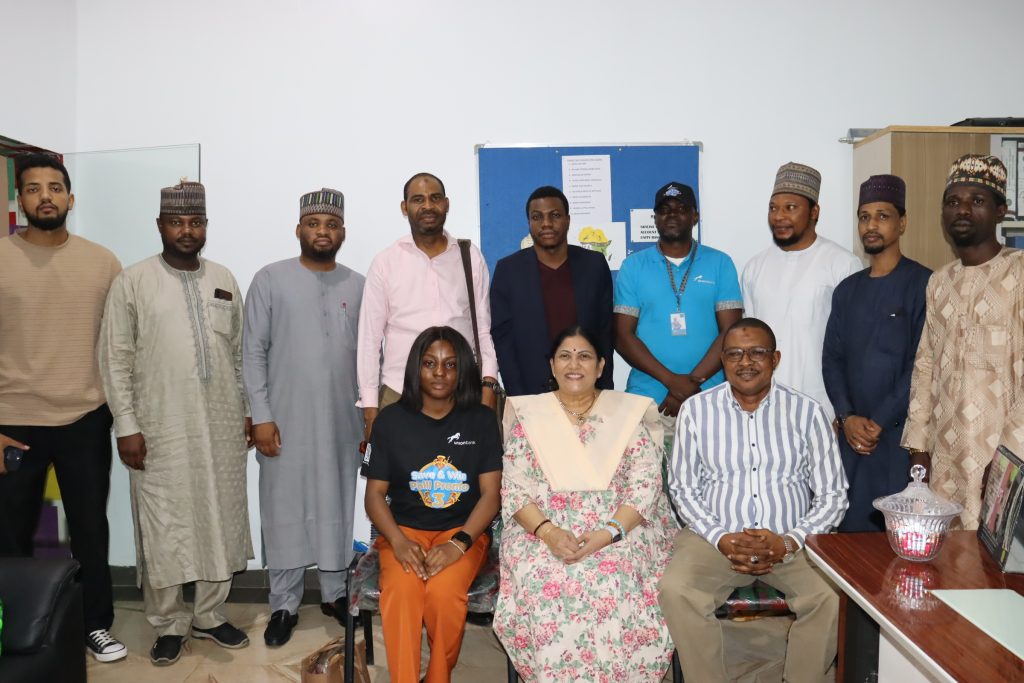
The Skyline University Nigeria (SUN) Centre for Continuing Learning organised an expert session for the students of the School of Science and Information Technology (SSIT) on April 8th, 2025. The session was delivered by Mr. Gimbason Isaac Junior, Head of Unit Performance and Total Management at KEDCO, who is also the CEO/President of GIGEE Consult Limited, in the university’s conference hall with levels 200 and 400 of the school in attendance. In his opening remarks, the CCL Executive at SUN, Mr. Christopher Tor Bem, appreciated the guest speaker on behalf of the centre and the university. He said the students will surely learn from his vast experiences, which will greatly help them in their future careers. Mr. Isaac Junior began his session titled ‘The need for technical skills for students’ as part of ICDL orientation courses like big data and Internet of Things (IOT), he said by highlighting the rapidly changing technological landscape and how industries are increasingly relying on technical expertise to drive innovation and success. He pointed out that while a strong academic foundation is important, technical skills such as coding, data analysis, and network management are becoming just as crucial for students, particularly in fields related to science and information technology. He then encouraged students to not only focus on theoretical knowledge but also to take advantage of opportunities to develop practical skills through internships, online courses, and hands-on projects. Also, he emphasised the importance of networking and building strong relationships with mentors, as these connections often open doors to career opportunities. Delivering the closing remarks on behalf of the Vice-Chancellor of SUN, Prof. Ajith Kumar V. V., Dr. Raghu Yadaganti, the CCL coordinator, appreciated the guest speaker for gracing the session. He said the students surely need expert experiences that will guide their choices and motivate them to pursue their goals. He also appreciated the support of Ms. Sarada Maganti for the successful conduct of the event. You can join the conversation on Facebook @SkylineUniversityNG and on Twitter @SkylineUNigeria  
SUN Centre for Continuing Learning organises expert session on the need for technical skills for students Read More »

New Students Orientation 9-4-2025

Skyline University Nigeria conducts orientation for new students

Skyline University Nigeria (SUN) has conducted orientation for new students spring intake 2024/2025 that have just joined the institution. The event, held on the university campus, served as a platform to introduce the students to the institution’s values, academic expectations, and campus culture. It was designed to ease their transition into university life, while also fostering a sense of belonging and enthusiasm as they embark on their academic journey. During the orientation, key university officials, including the Vice-Chancellor of the university Prof. Ajith Kumar V. V., principal officers as the registrar and head librarian among others. Also, the Deans of the Schools of Science and Information Technology, Basic Medical Sciences, Legal Studies Arts, Management and Social Sciences and that of the postgraduate, addressed the new students, highlighting the importance of academic excellence, discipline, and active participation in both academic and extracurricular activities. The students were taken through presentations on academic policies, digital learning platforms, library resources, student support services, and campus safety guidelines. These sessions aimed to equip them with the tools and knowledge needed to make the most of their time at Skyline University Nigeria. Interactive sessions and campus tours were also part of the orientation activities. Returning student representatives engaged with the new intakes, sharing their experiences and offering practical tips on how to navigate student life. This peer-to-peer connection created a welcoming atmosphere and encouraged a culture of mentorship among students. New students had the opportunity to ask questions, explore different academic units, and familiarize themselves with various facilities such as laboratories, lecture halls, and recreational areas. The orientation programme marked a significant step in the students’ academic journey, setting the tone for a productive and fulfilling university experience. With a renewed commitment to academic excellence, innovation, and student support, Skyline University Nigeria continues to uphold its mission of shaping future leaders equipped with the knowledge and skills to thrive in a global environment. You can join the conversation on Facebook @SkylineUniversityNG and on Twitter @SkylineUNigeria  

Skyline University Nigeria conducts orientation for new students Read More »

Blog post 8-4-2025

Study Smarter: Best Apps to Boost Your Learning

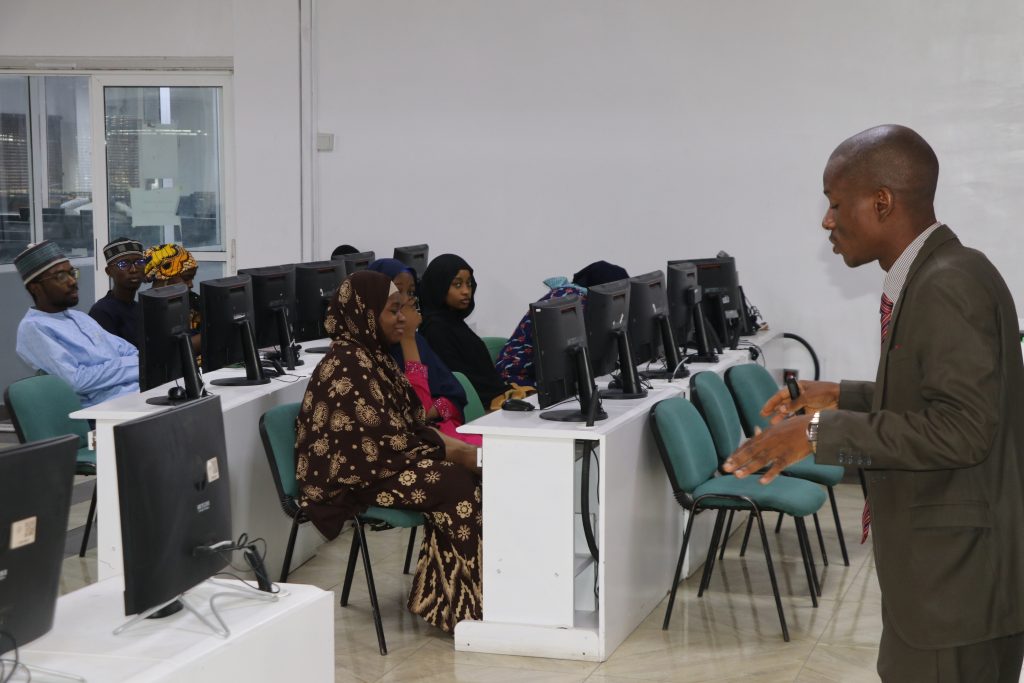
Students are no longer confined to traditional methods of studying. Technology has made it easier and more effective to absorb information, stay organized, and improve productivity. With the abundance of mobile apps designed specifically for learners, students can now study smarter, not harder. These apps cater to various aspects of academic life, from time management and note-taking to research and collaboration. One of the most helpful categories of study apps focuses on productivity and time management. Students often struggle with procrastination or balancing multiple assignments. Apps that offer digital planners, task managers, and timers can help structure study time effectively. These tools allow users to break down assignments into manageable tasks, prioritize important projects, and allocate specific time slots for each. By maintaining a visual overview of deadlines and progress, students are more likely to stay on track. Note-taking apps have also transformed the way students capture and organize lecture materials. Unlike traditional notebooks, these digital tools allow for multimedia integration. Students can type, handwrite, or record notes and even add images or audio clips. Some apps even convert handwriting into editable text, making it easy to search for key concepts later. The flexibility of cloud syncing ensures that notes are accessible across different devices, which is especially useful for group studies or on-the-go reviewing. Research-based apps are another game changer. Instead of spending hours flipping through textbooks or browsing unreliable sources online, students can now use dedicated platforms that aggregate scholarly articles, journals, and citations. These tools help streamline the research process, making it easier to gather credible information for essays, presentations, and academic papers. Features like built-in citation generators also take the stress out of formatting bibliographies in different academic styles. For subjects that require repetitive learning, such as languages, science, or math, interactive learning apps have made studying more engaging. Through the use of flashcards, quizzes, and gamified content, students can reinforce their memory and practice concepts at their own pace. These apps often use algorithms to identify weak areas and provide targeted questions, ensuring more efficient learning. The instant feedback provided helps students quickly understand mistakes and learn the correct answers. Collaboration is also essential in academic success, and there are apps that make group work and peer learning seamless. Students can share notes, brainstorm ideas on virtual whiteboards, and communicate via chat or video calls. These platforms eliminate the barriers of distance and conflicting schedules, making teamwork more accessible. Many also support integration with other tools for file sharing and calendar syncing, keeping everyone on the same page. As academic pressures continue to grow, the right set of apps can provide the support students need to succeed. From organizing daily tasks to enhancing focus and improving learning retention, these digital tools are becoming indispensable in modern education. With the right mix of discipline and technology, studying becomes not only more effective but also more enjoyable. You can join the conversation on Facebook @SkylineUniversityNG and on Twitter @SkylineUNigeria  
Study Smarter: Best Apps to Boost Your Learning Read More »