Skyline University Nigeria

Author name: ASMAU UBA MUHAMMAD

Skyline University Nigeria Hosts Youth Empowerment Summit 2026

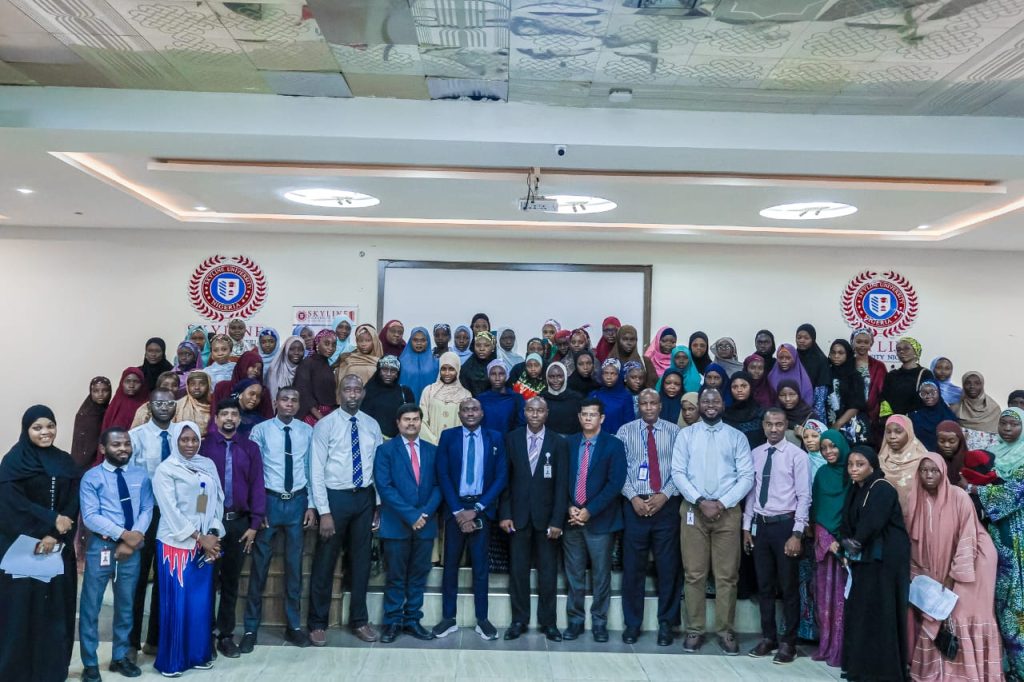
Skyline University Nigeria hosted the Youth Empowerment Summit 2026, bringing together students, parents, teachers, and members of the university community for a day of learning and meaningful discussions focused on preparing young people for the opportunities and challenges ahead. Held under the theme “Future Forward: Youth Empowerment Summit 2026,” the summit focused on areas including artificial intelligence, self-development, career development, entrepreneurship, leadership, well-being, and responsible decision-making. A major highlight of the programme was an AI training session, which introduced participants to the growing relevance of artificial intelligence and how young people can responsibly use emerging technologies for learning, creativity, career development, and entrepreneurship. The summit also placed strong emphasis on self-development, encouraging young participants to understand their strengths, build confidence, develop positive habits, and take greater responsibility for their personal and professional growth. Another key area of the programme was drug abuse awareness, where participants were educated on the dangers and consequences of substance abuse. The session was led by Executive Director of LESPADA, Amb. Maryam Hassan, who shared important insights on the impact of drug abuse and the need for young people to make informed and responsible choices. A student from Tropical College of Health also contributed to the discussion, sharing insights that further encouraged participants to understand the consequences of substance abuse and the importance of making positive choices for their health and future. The participation of parents and teachers added an important dimension to the summit, creating an opportunity to discuss the collective role of families, schools, and communities in guiding and supporting young people. Other sessions explored next-generation leadership, career opportunities, entrepreneurship, well-being, and life balance, giving participants a broader perspective on the skills and mindset required to thrive in a changing world. The summit reflects Skyline University Nigeria’s commitment to education beyond the classroom and its efforts to create platforms that address issues directly affecting young people while equipping them with knowledge and practical perspectives for the future. The Youth Empowerment Summit concluded with participants gaining new insights, engaging in meaningful conversations, and leaving with renewed motivation to take greater responsibility for their development and future.

Skyline University Nigeria Hosts Youth Empowerment Summit 2026 Read More »

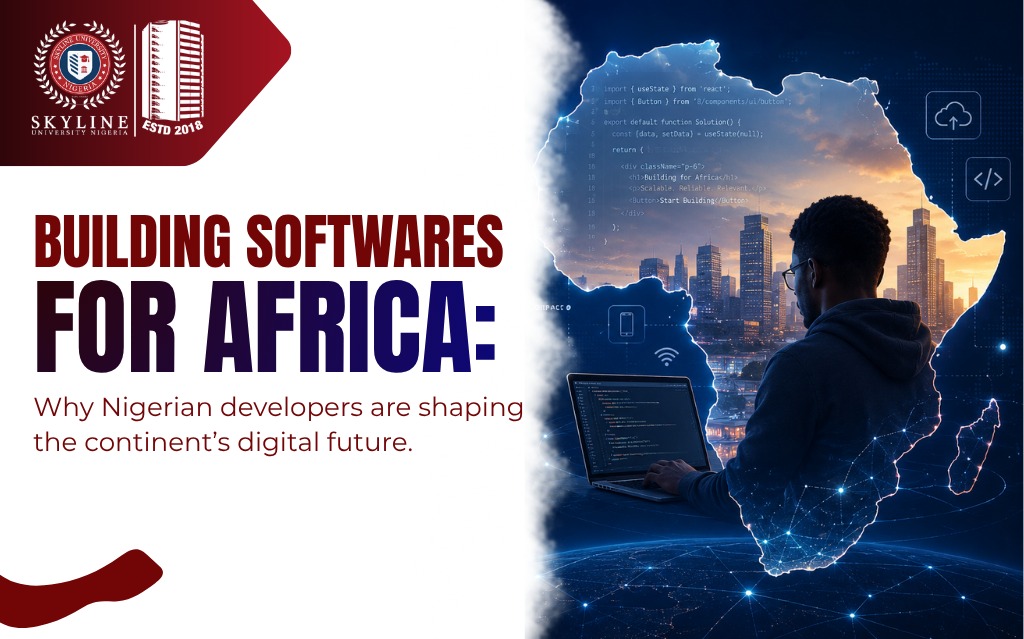
BUILDING SOFTWARE FOR AFRICA: WHY NIGERIAN DEVELOPERS ARE SHAPING THE CONTINENT’S DIGITAL FUTURE

“The next billion-dollar African technology company may already be taking shape not in Silicon Valley, but in a university classroom where a young software engineering student is learning how to solve real-world problems with code.”  Africa’s Digital Story Is Being Written One Line of Code at a Time Across Africa, a remarkable transformation is unfolding. The way we pay for goods, communicate with businesses, access healthcare, learn online, save money, and even interact with government services has changed dramatically over the past decade. Behind this transformation lies something many people never see: thousands of software engineers working tirelessly to build the digital systems that power modern life. At the center of this revolution is Nigeria. Once known primarily for its entrepreneurial spirit, Nigeria has rapidly become one of Africa’s leading technology hubs a nation producing innovative software solutions that are solving local challenges while attracting global recognition. Nigerian developers are no longer simply participating in the global digital economy; they are helping to shape it. For young people wondering where they can make the greatest impact in the coming decades, software engineering stands out as one of the most powerful answers. From Local Ideas to Continental Impact Some of Africa’s most celebrated technology companies share one important characteristic: they were built by talented software engineers who believed that African problems deserved African solutions. Platforms such as Flutter wave, Pay stack, Monie point, and Cowry wise have transformed how millions of individuals and businesses manage money. Their innovations have simplified payments, expanded financial inclusion, supported entrepreneurs, and strengthened digital commerce across the continent. These companies are more than successful businesses they are proof that ideas developed in Nigeria can influence economies across Africa and compete on the global stage. Every secure payment processed, every investment made through a mobile application, and every digital financial transaction represents thousands of hours of software design, testing, engineering, and continuous improvement. Behind every breakthrough is a software engineer who chose to build rather than simply consume technology. Nigeria’s Moment Has Arrived Over the past decade, Nigeria’s technology ecosystem has experienced unprecedented growth. With more than $2 billion in startup funding attracted over recent years, the country has become one of Africa’s leading destinations for technology investment. International venture capital firms, global technology companies, and innovation partners increasingly recognize Nigerian talent as one of the continent’s greatest competitive advantages. This momentum has created exciting opportunities for software engineers across multiple sectors, including: Financial Technology (FinTech) Artificial Intelligence Healthcare Technology Educational Technology Agriculture Technology Logistics and Transportation Cyber security Enterprise Software E-commerce Cloud Computing As digital transformation accelerates across every industry, organizations are searching for professionals who can design secure, scalable, and intelligent software solutions. The demand has never been greater. More Than Coding Engineering Solutions That Change Lives When many people hear the words software engineering, they imagine someone sitting behind a computer writing code. The reality is far more inspiring. Software engineers solve problems. They build applications that connect rural communities to healthcare services. They develop platforms that allow students to learn from anywhere in the world. They create systems that help farmers increase productivity, businesses reach new markets, and governments deliver better public services. Every application begins with a simple question: “How can technology improve people’s lives?” Answering that question requires creativity, critical thinking, teamwork, and a deep understanding of both technology and human needs. That is what makes software engineering one of the most meaningful professions of our time. The Skills That Define Tomorrow’s Engineers Today’s software industry moves quickly, and employers seek graduates who are ready to contribute from day one. Modern software engineers are expected to understand technologies such as: Mobile application development Web application development API design and integration Cloud computing Artificial Intelligence and Machine Learning integration Database systems Cybersecurity principles Software testing and quality assurance DevOps and automation User experience (UX) design Collaborative software development using industry-standard tools These skills enable graduates to create applications that are secure, reliable, scalable, and capable of serving millions of users. The most successful engineers combine technical expertise with curiosity, adaptability, communication skills, and a commitment to lifelong learning. Why University Education Makes the Difference In an age where countless programming tutorials are available online, some people wonder whether a university degree is still necessary. The answer lies in the difference between learning to code and learning to engineer. Programming teaches you how to write software. Software Engineering teaches you how to design systems that remain secure, efficient, maintainable, and scalable for years to come. A structured Bachelor of Science in Software Engineering develops a comprehensive understanding of algorithms, software architecture, databases, operating systems, cybersecurity, cloud technologies, artificial intelligence, project management, ethics, and software quality assurance. Just as importantly, students learn how to work collaboratively, manage complex projects, communicate technical ideas effectively, and solve problems systematically. These are the qualities employers consistently value. Learning Beyond the Classroom The world’s best software engineers never stop learning. Many strengthen their skills by contributing to open-source software projects, collaborating with developers from different countries, participating in hackathons, building personal applications, and sharing knowledge through developer communities. Open-source contributions have become one of the strongest indicators of practical software engineering ability. They demonstrate initiative, collaboration, technical competence, and a willingness to solve problems for a global audience. For Nigerian students, these opportunities provide international visibility long before graduation. A Career Without Borders Perhaps one of the greatest advantages of software engineering today is that talent is no longer limited by geography. A graduate living in Kano can contribute to projects for companies in New York, London, Berlin, Dubai, Johannesburg, or Singapore. Remote work has transformed the technology industry. Organizations increasingly recruit software engineers based on their skills, portfolios, and ability to solve problems not simply where they live. This global shift has opened extraordinary opportunities for Nigerian developers. Today, many software engineers build products used by millions of people worldwide while continuing to live and work in Nigeria. Their offices may be local. Their impact is

BUILDING SOFTWARE FOR AFRICA: WHY NIGERIAN DEVELOPERS ARE SHAPING THE CONTINENT’S DIGITAL FUTURE Read More »

Skyline University Nigeria Opens Its Doors to Future Leaders at 2026 Open Day.

With a bold invitation to students to take charge of their future, Skyline University Nigeria (SUN) hosted its Open Day on August 8, 2026, bringing prospective students, parents, and education stakeholders together for an engaging experience designed to showcase the university’s academic opportunities, career pathways, and modern learning environment. Held under the theme “Shape Your Future with SUN,” the Open Day provided prospective students with an opportunity to experience firsthand what it means to learn, grow, and prepare for the future at Skyline University Nigeria. The event featured on-the-spot admission opportunities, a Career Guidance Fair, interactive sessions with Deans and current students, programme and scholarship information, guided tours of the university’s state-of-the-art facilities, Q&A sessions, and an aptitude test. Beyond admissions, the event offered participants a closer look at SUN’s commitment to knowledge, skills, and value-based education, while allowing prospective students to engage directly with academic leaders and members of the university community. As Skyline University Nigeria continues to mark its 8th Year of Academic Excellence, the Open Day reinforced its vision of preparing students not only for academic success but also for meaningful careers and leadership in a rapidly changing world. For many prospective students, the message was clear: the future is not simply something to wait for       it is something to shape. And for those ready to take the next step, SUN is opening the door.

Skyline University Nigeria Opens Its Doors to Future Leaders at 2026 Open Day. Read More »

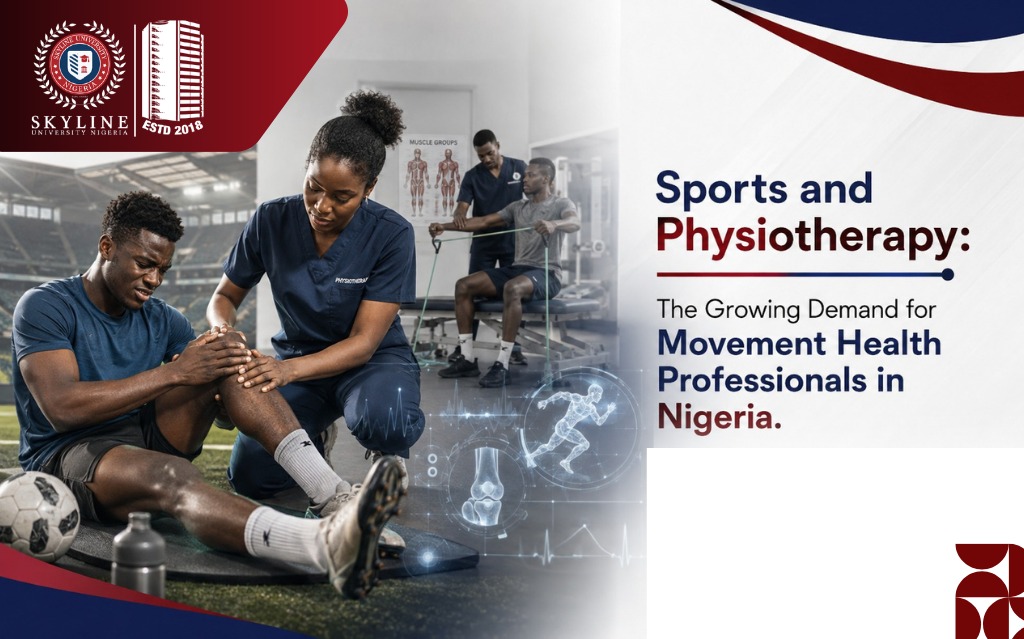
Sports and Physiotherapy: The Growing Demand for Movement Health Professionals in Nigeria.

  Introduction Sports is an important part of Nigerian society, involving professional athletes, university students, school children, and recreational participants. As participation in football, athletics, basketball, wrestling, boxing, fitness, and other sports increases, there is a growing need for professionals who can promote safe movement, prevent injuries, manage sports-related conditions, and support rehabilitation. Physiotherapists are central to this emerging movement-health profession. Their role has expanded from treating injuries to include injury prevention, performance support, rehabilitation, and safe return to sport. The Role of Physiotherapy in Sports Sports physiotherapists contribute throughout an athlete’s journey, including: Injury prevention and risk assessment Management of acute and chronic sports injuries Therapeutic exercise and rehabilitation Strength, flexibility, balance, and mobility training Movement assessment and correction Return-to-training and return-to-sport programmes Athlete education and injury prevention Performance and recovery support Common sports conditions managed by physiotherapists include ankle sprains, knee injuries, hamstring strains, muscle injuries, tendinopathies, shoulder injuries, and low-back pain. The modern approach focuses not only on treating an injury but also on identifying risk factors and helping athletes remain healthy and physically active. Growing Opportunities in Nigeria The expansion of sports and fitness activities in Nigeria is creating opportunities for physiotherapists in: Professional sports clubs Universities and schools Sports academies Fitness centres and gyms Sports medicine clinics National and state sports associations Private physiotherapy practices Sports research and academic institutions Physiotherapists can also contribute to recreational fitness by helping individuals exercise safely and manage musculoskeletal problems. Importance of Multidisciplinary Practice Modern sports healthcare requires collaboration. Physiotherapists work alongside sports physicians, orthopaedic surgeons, sports scientists, strength and conditioning specialists, nutritionists, psychologists, and coaches. This multidisciplinary approach helps athletes achieve better health, performance, and safe return to competition. Challenges in Nigeria Despite the growing need, sports physiotherapy faces several challenges, including: Limited awareness of the full role of physiotherapists Inadequate sports rehabilitation facilities Limited integration of physiotherapists into some sports teams Financial constraints Limited sports injury surveillance and research Need for more specialist training in sports rehabilitation and performance Addressing these challenges requires stronger investment in education, infrastructure, research, professional development, and collaboration between universities and sporting organizations. The Future of Sports Physiotherapy Nigerian universities have an important role in preparing future sports physiotherapists. Training should provide students with practical experience in sports injury assessment, biomechanics, exercise therapy, rehabilitation, injury prevention, strength and conditioning, and return-to-sport programmes. Universities can also collaborate with sports clubs and organizations to provide clinical placements, injury-screening programmes, research opportunities, and athlete support. Conclusion The future of Nigerian sports depends not only on identifying talented athletes but also on keeping them healthy and physically capable of performing at their best. Physiotherapists are therefore becoming increasingly important as movement health professionals. The profession is moving from a traditional focus on treating injuries toward a broader role involving prevention, rehabilitation, performance optimization, and lifelong movement health. Nigeria needs not only more athletes, but also more skilled professionals who can protect, restore, and optimize the movement that makes sporting achievement possible. Written By, Mr. Yusuf Usman Lecturer II Department of Physiotherapy School of Basic Medical Sciences    

Sports and Physiotherapy: The Growing Demand for Movement Health Professionals in Nigeria. Read More »

Pharmaceutical Professionals in Kano Trained on AI Integration in Workplace Operations.

Members of the Pharmaceutical Association of Nigeria, Kano State Branch, have been trained on how to integrate artificial intelligence (AI) tools into their daily professional activities to improve efficiency, reduce manual workload, and enhance service delivery within the pharmaceutical sector. The training programme, organised by Skyline University Nigeria, focused on “AI Tools for Office Automation in the Pharmaceutical Industry” and brought together pharmaceutical professionals across Kano State to build capacity in the use of modern digital technologies. Held on 8 August 2026 at the ICT Labs of Skyline University Nigeria, the session introduced participants to practical applications of AI in pharmaceutical practice, particularly in office management, record keeping, communication, and workflow automation. The four-hour training, emphasized how AI tools can help pharmacists and pharmaceutical administrators reduce repetitive tasks, improve accuracy in documentation, and enhance overall productivity in both private and public sector operations. Participants were guided on how emerging AI technologies can be integrated into everyday pharmaceutical work processes, reflecting the growing shift toward digital transformation in the healthcare and pharmaceutical industries in Nigeria. The initiative aligns with efforts to strengthen professional capacity within the Pharmaceutical Association of Nigeria, Kano State Branch, while promoting the adoption of innovative technologies that support smarter and more efficient healthcare service delivery. The programme was delivered under the theme “Faster. Smarter. Automated. Reduce Manual Work,” highlighting the role of artificial intelligence in transforming traditional pharmaceutical office operations into more streamlined and technology-driven systems.

Pharmaceutical Professionals in Kano Trained on AI Integration in Workplace Operations. Read More »

Cybersecurity in Nigeria: Why Your Bank Account, Business, and Personal Data Are at Risk Right Now

Nigeria’s rapid digital transformation has brought significant opportunities in online banking, e-commerce, digital payments, and mobile communication. Millions of Nigerians rely on digital platforms every day for financial transactions, education, healthcare, and business operations. However, this increasing dependence on technology has also made individuals and organizations prime targets for cybercriminals. Cybersecurity is no longer just an IT concern—it is a personal, business, and national security issue. Cybercriminals are using increasingly sophisticated methods to steal sensitive information and money. Phishing emails, fake banking websites, fraudulent SMS messages, social media scams, ransomware, identity theft, and malware attacks have become common across the country. Victims often receive convincing messages that appear to come from trusted banks or government agencies, encouraging them to click malicious links or reveal confidential information such as passwords, One-Time Passwords (OTPs), or Bank Verification Numbers (BVNs). Businesses, particularly small and medium-sized enterprises (SMEs), are equally vulnerable. Many organizations lack strong cyber security policies, employee awareness training, and secure data protection measures. A single successful cyber attack can result in financial losses, operational disruption, reputational damage, and legal consequences. Educational institutions, healthcare organizations, and government agencies also face increasing threats due to the large volumes of sensitive information they manage. Protecting yourself begins with practicing good cyber hygiene. Individuals should use strong and unique passwords, enable multi-factor authentication (MFA), regularly update software, avoid clicking suspicious links, and verify the authenticity of emails and messages before responding. It is equally important to monitor bank accounts regularly and report suspicious transactions immediately. Organizations should invest in cybersecurity awareness programs, implement secure backup strategies, deploy modern security solutions, and conduct regular vulnerability assessments. As Nigeria continues to embrace the digital economy, protecting our bank accounts, businesses, and personal information must become a shared responsibility. Staying informed, practicing safe online behavior, and investing in cybersecurity are essential steps toward building a secure digital future for individuals, organizations, and the nation as a whole.   Written by: Dr. A. Syed Haroon  

Cybersecurity in Nigeria: Why Your Bank Account, Business, and Personal Data Are at Risk Right Now Read More »

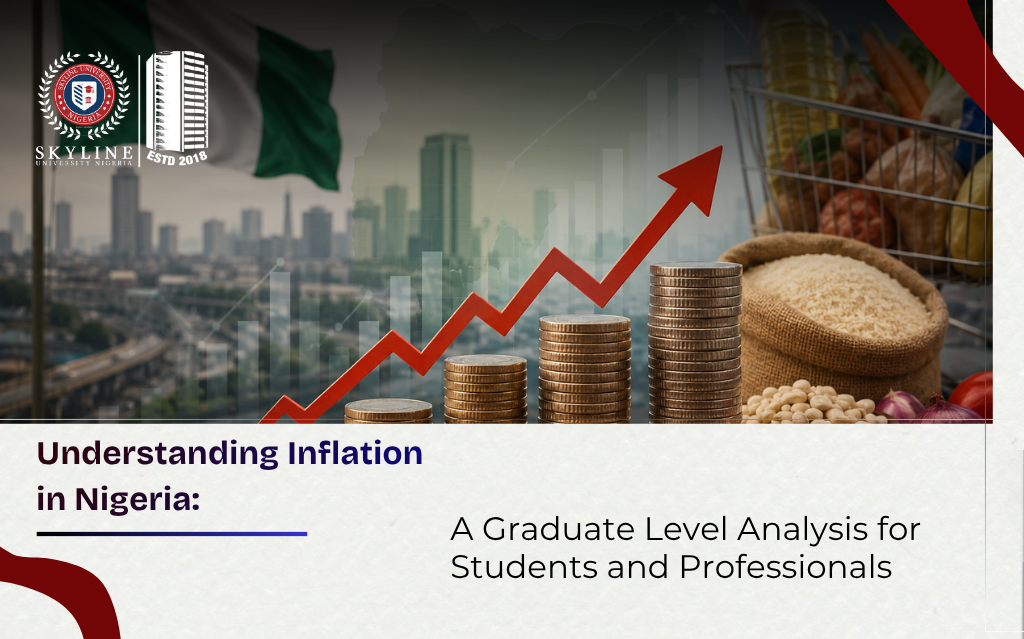
Understanding Inflation in Nigeria: A Graduate-Level Analysis for Students and Professionals

  “When the value of money falls, the value of knowledge rises.” Are Nigerians Really Earning More or Simply Becoming Poorer More Expensively? Imagine receiving a salary increase at the beginning of the year. Your family celebrates, believing life will become easier. Yet, within months, you discover that the extra income no longer covers groceries, transport, rent, electricity, internet subscriptions, or even the cost of printing a research project. Your salary has increased, but your standard of living has quietly declined. This is the reality of inflation. Inflation is more than an economic statistic announced on the news; it is a force that shapes everyday life. It influences how households spend, how businesses invest, how students finance their education, and how governments design economic policies. Behind every inflation figure lies a human story: the entrepreneur struggling to restock inventory, the pensioner watching savings lose value, the manufacturer delaying expansion, and the university student choosing between textbooks and transportation. Although inflation affects everyone, it remains one of the most misunderstood concepts in economics. Many people equate it with “high prices,” overlooking the structural and policy factors that sustain rising costs over time. “Inflation is not merely about rising prices; it is about shrinking possibilities. Every increase in prices quietly reshapes household budgets, business strategies, and national development priorities.” The question is no longer whether inflation affects us, but whether we truly understand how it influences our financial decisions and what can be done about it. What Exactly Is Inflation? Ask ten Nigerians what inflation means, and most will simply say, “Everything is expensive now.” While true, that explanation captures only the symptom, not the phenomenon. Inflation is a persistent increase in the general price level of goods and services, resulting in a decline in the purchasing power of money. It is not the price increase of a single commodity. For example, if tomato prices rise because flooding destroys farms, that is a temporary supply shock. Inflation occurs when price increases spread across many sectors and persist over time. Consider a student receiving ₦20,000 monthly in 2022. At that time, the allowance might comfortably cover transport, meals, internet data, and study materials. Two years later, the same ₦20,000 buys significantly less. The amount has not changed, but its purchasing power has declined. This illustrates the difference between nominal income (the amount received) and real income (what that income can actually buy). A 10% salary increase means little if prices rise by 30%; in real terms, the worker has become poorer. Economists often describe inflation as an “invisible tax.” Unlike government taxes, inflation quietly erodes purchasing power without direct payment. Households respond by buying fewer goods, switching to cheaper alternatives, postponing major purchases, or reducing consumption altogether.   Understanding Purchasing Power Money derives its value from what it can purchase. When inflation rises, purchasing power falls. Year Monthly Income (₦) Monthly Cost of Living (₦) Purchasing Power 2022 150,000 120,000 Comfortable surplus 2026 180,000 210,000 Reduced purchasing power Although income increased by ₦30,000, living costs rose by ₦90,000. The household therefore became poorer despite earning more. Did You Know? Higher salaries do not necessarily improve living standards. What matters is whether income grows faster than inflation. Why Does Inflation Happen? Inflation is rarely caused by a single factor. It reflects the interaction of demand, production costs, exchange-rate movements, government policies, and external shocks. Demand-Pull Inflation Demand-pull inflation occurs when demand grows faster than supply. As consumers compete for limited goods and services, businesses raise prices. Rising incomes, increased government spending, and easier access to credit can all contribute to this form of inflation. Cost-Push Inflation Prices also rise when production becomes more expensive. In Nigeria, manufacturers face higher electricity tariffs, diesel prices, transportation costs, wages, and imported raw material expenses. These higher costs are often passed on to consumers. Imported Inflation Nigeria imports many production inputs, including machinery, pharmaceuticals, electronics, and industrial materials. When global prices rise or the naira depreciates, imported goods become more expensive, increasing domestic production costs and consumer prices. Exchange Rate Depreciation A weaker naira means importers require more local currency to purchase foreign goods. Since many Nigerian industries depend on imported inputs, exchange-rate depreciation quickly raises production costs across sectors ranging from manufacturing to healthcare. Food Insecurity and Climate Shocks Food inflation is influenced not only by economic conditions but also by flooding, drought, insecurity, poor infrastructure, and supply-chain disruptions. Reduced agricultural output and transport challenges limit food availability, pushing prices upward. Think About This If inflation results from multiple interconnected factors, can higher interest rates alone solve the problem, or does Nigeria need broader structural reforms in agriculture, infrastructure, security, and industrial productivity? Nigeria’s Inflation Journey: More Than a Monetary Issue Nigeria’s inflation reflects more than excessive money supply. It is shaped by structural weaknesses, external shocks, and policy adjustments. Historically, inflation has responded to oil price fluctuations, exchange-rate changes, fiscal deficits, food supply disruptions, and monetary policy decisions. The COVID-19 pandemic intensified these pressures by disrupting global supply chains and increasing transportation costs. More recently, exchange-rate reforms, fuel subsidy removal, and broader macroeconomic adjustments have raised transportation and production costs, contributing to higher consumer prices. In response, the Central Bank of Nigeria has tightened monetary policy by increasing interest rates to moderate inflationary pressures. However, many economists argue that monetary policy alone cannot address inflation driven by structural challenges such as food insecurity, infrastructure deficits, and exchange-rate volatility. Nigeria’s experience demonstrates that inflation is not simply “too much money chasing too few goods.” It also reflects an economy’s capacity to produce efficiently, absorb shocks, and implement sound economic policies. Who Wins and Who Loses During Inflation? Inflation is often described as a “silent tax” because it steadily erodes purchasing power without requiring direct payment. However, unlike conventional taxes, its effects are uneven. The critical question is not whether inflation occurs, but who can adjust faster than prices rise. Households on fixed incomes including pensioners, students, and many civil servants are usually the hardest hit. Their

Understanding Inflation in Nigeria: A Graduate-Level Analysis for Students and Professionals Read More »

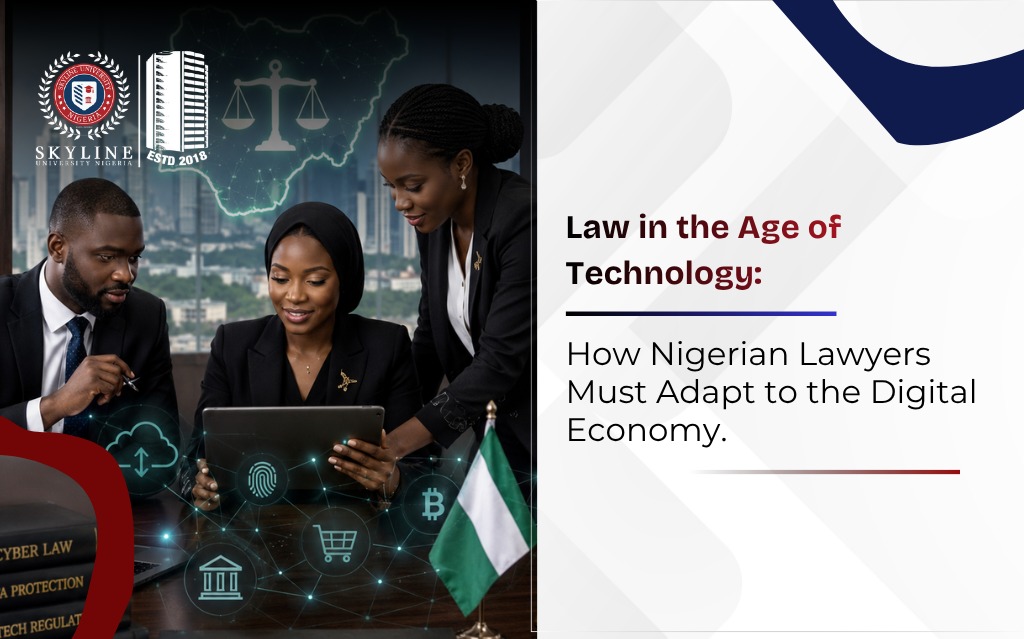
Law in the Age of Technology: How Nigerian Lawyers Must Adapt to the Digital Economy

Technology has fundamentally transformed the legal profession, reshaping how legal services are delivered, justice is administered, and legal education is conducted. This shift has quietly changed what it means to practise law in an economy that is going digital. It is important to note that beyond the traditional legal practice using Information and Communication Technology (ICT), innovations such as artificial intelligence (AI), cloud computing, digital legal databases, blockchain, virtual court hearings, and legal information analytics are redefining legal practice globally. In Nigeria, technology has improved legal research, legal document automation, case management, and access to justice, compelling legal practitioners to acquire digital competencies while maintaining the ethical standards that underpin the profession. You can be brilliant at contract law, litigation strategy, and courtroom advocacy, yet have little useful advice to offer a fintech client on data localisation or a start-up founder questioning whether a smart contract is legally enforceable. Knowing the law is no longer enough. For Nigerian lawyers, keeping pace with the digital legal ecosystem is not about appearing technologically savvy, it is about remaining valuable to the clients the profession exists to serve. Technology and the Changing Legal Profession Technology today has significantly enhanced efficiency across law firms, courts, government agencies, universities, and corporate organisations. Unlike the era of manual legal research, where lawyers spent days consulting physical law reports to prepare legal opinions or court processes, digital platforms such as the Nigerian Weekly Law Reports, LawPavilion, LegalPedia, LexisNexis, and other electronic law reports now enable practitioners to retrieve legal authorities within seconds. Another major innovation that technology brought is AI-powered applications which ethically assist with legal research, contract review, document drafting, due diligence, compliance monitoring, predictive analytics, and client engagement through legal chatbots. However, maximising the benefits of these technologies requires proper training and continuous professional development. These generative AI includes ChatGPT, Claude, Gemini, Copilot among others. Furthermore, technology has also created new areas of legal practice, including data protection, cybersecurity, fintech regulation, digital taxation, blockchain, and AI governance. As these fields continue to evolve, lawyers must be equipped to understand their legal implications and provide practical, technology-informed advice rather than purely theoretical solutions. As a result of the expanded technology innovation, it is very important that lawyers must be well equipped to navigate the legal implications of these developments and offer practical, technology-informed solutions rather than purely theoretical advice. This technological shift carries a productivity dimension that all lawyers cannot afford to ignore. Today, the digital research platforms, AI-assisted legal drafting, e-filing, virtual court hearings, and case management systems reduce the time spent on routine tasks, enabling lawyers to focus on legal analysis, strategy, negotiation, and client advisory. Technology therefore enhances, rather than replaces, professional judgment. How Nigerian Lawyers Must Adapt to the Digital Economy The changing legal landscape demands a deliberate shift in mindset. For Nigerian lawyers, adaptation is no longer optional; it is a professional imperative. Beyond mastering substantive law, lawyers must cultivate competence in legal technology, digital regulation, cybersecurity, electronic evidence, data protection, and AI-assisted legal research if they are to provide effective legal services in an increasingly digital economy. However, technical competence must be complemented by critical thinking, commercial awareness, and a sound understanding of emerging regulatory frameworks, as technology is only as effective as the professional judgment guiding its use. Legal education, being the foundation upon which lawyers are trained, makes it imperative for legal institutions including universities, the Nigerian Law School, the Council of Legal Education, the Nigerian Bar Association, and individual law firms to play a crucial role in strengthening legal technology education and continuing legal education programmes to prepare lawyers for emerging areas of practice. While AI and other digital tools can significantly improve efficiency and productivity, lawyers must continue to exercise independent professional judgment, safeguard client confidentiality, verify AI-generated outputs before relying on them, and uphold the ethical standards that define the legal profession. A lawyer who cannot competently advise on data privacy, data protection, or cybersecurity risks will struggle to meet the expectations of today’s clients, just as a law firm that relies entirely on paper files and manual research will inevitably fall behind more technologically equipped competitors. Conclusion The future of legal practice in Nigeria lies in the responsible integration of technology with legal expertise. The digital economy is redefining both legal practice and the competencies required of the modern lawyer. Adapting does not mean abandoning the fundamentals; ethical responsibility, sound legal reasoning, and professional judgment remain the bedrock of the profession. What has changed is the toolkit. Lawyers who embrace technological innovation while preserving these core values, and who commit themselves to lifelong learning, will be best positioned to thrive. Ultimately, the future of the legal profession belongs not to technology itself but to lawyers who can responsibly harness innovation to deliver accessible, efficient, and client-centred legal services. In the age of technology, adaptation is no longer merely an advantage, it is a professional necessity. References Constitution of the Federal Republic of Nigeria, 1999 (as amended in 2023). Cybercrimes (Prohibition, Prevention, etc.) Act, 2015 (as amended). Evidence Act, 2011 (as amended in 2023) Nigeria Data Protection Act, 2023. Rules of Professional Conduct for Legal Practitioners, 2023. Akanle, O.O., ‘The Role of Artificial Intelligence in Enhancing Legal Services Delivery in Nigeria: Challenges, Opportunities, and Future Prospects’ [2025] Crescent University Law Journal, (10) Nwaeze, G., ‘The Future of Law Practice in Nigeria in the Face of Global Trends and Development in Information and Communication Technology’ (2020). Okeke, U.D., Obianyo, C.I. and Ater, S.V., ‘Lawyering in the Age of Artificial Intelligence (AI): A Competency Toolkit for the Nigerian Lawyer’ [2025] Uniniger Law Journal, (1)(1) Olubiyi, I.A., Olaniyan, A.J. and Odiaka, N,, ‘The Role of Technology in the Advancement of Legal Education and Practice in Nigeria’ [2015]. Nwala, K.T., and Nwagba, O.M., ‘The Law in the Digital Age of AI and Digital Transformation Opportunities, Challenges and Future of Justice’ [2026] International Journal of Research and Innovation in Social Science (IJRISS), (10) (5) WRITTEN BY: Aishat Wuraola Popoola

Law in the Age of Technology: How Nigerian Lawyers Must Adapt to the Digital Economy Read More »

Skyline University Nigeria Launches Women Empowerment Initiative on AI and Entrepreneurship for 100 Women in Honour of Emir Muhammadu Sanusi II

Skyline University Nigeria has officially commenced a two-month Women Empowerment Initiative on Artificial Intelligence (AI) and Entrepreneurship for 100 women drawn from across Kano State. The training programme, which began on 6 July 2026 at the university campus, is being conducted in honour of the institution’s Chancellor, His Royal Highness Emir Muhammadu Sanusi II, CON. The initiative reflects Skyline University Nigeria’s commitment to empowering women through education, innovation, and skills development. Designed to equip participants with practical knowledge in Artificial Intelligence, entrepreneurship, and digital skills, the programme aims to enhance women’s capacity to thrive in an increasingly technology-driven economy. Participants will gain valuable insights into emerging technologies, business development, digital innovation, and strategies for creating sustainable economic opportunities. Speaking on the significance of the initiative, Skyline University Nigeria reaffirmed its dedication to promoting inclusive education and supporting women as catalysts for social and economic transformation. The Women Empowerment Initiative aligns with the university’s broader mission of fostering innovation, advancing knowledge, and contributing to community development. By investing in women’s digital and entrepreneurial capabilities, Skyline University Nigeria continues to play a vital role in strengthening economic inclusion and sustainable development across Kano State. Through this initiative, the university seeks to inspire and empower the next generation of female innovators, entrepreneurs, and leaders who will contribute meaningfully to the growth and prosperity of their communities. The programme stands as a testament to Skyline University Nigeria’s unwavering commitment to excellence, innovation, and the empowerment of women through transformative education.

Skyline University Nigeria Launches Women Empowerment Initiative on AI and Entrepreneurship for 100 Women in Honour of Emir Muhammadu Sanusi II Read More »

eHealth Africa to Strengthen Health Innovation, Research and Capacity Development with Skyline University Nigeria.

Skyline University Nigeria (SUN) has signed a Memorandum of Understanding (MoU) with eHealth Africa, marking a significant step toward advancing health innovation, research collaboration, digital health solutions, and capacity development in Nigeria.  The partnership brings together Skyline University Nigeria’s commitment to academic excellence and eHealth Africa’s expertise in leveraging technology and data-driven solutions to strengthen healthcare systems across Africa. Founded in 2009, eHealth Africa has been at the forefront of deploying innovative digital solutions that improve healthcare delivery, disease surveillance, emergency response, and public health outcomes across the continent. Speaking at the signing ceremony, representatives of both institutions emphasized the importance of collaboration between academia and industry in addressing contemporary healthcare challenges. The partnership is expected to create opportunities for joint research projects, student internships, professional training, knowledge exchange, and the development of innovative solutions that contribute to stronger health systems and healthier communities. The MoU aligns with Skyline University Nigeria’s vision of fostering strategic partnerships that enhance learning, research, and community engagement. Through this collaboration, students and faculty members will benefit from exposure to real-world public health initiatives, emerging digital health technologies, and multidisciplinary research opportunities. For eHealth Africa, the collaboration reinforces its commitment to building local capacity and supporting the next generation of health and technology professionals. The organization has a strong track record of working with governments, institutions, and development partners to improve healthcare delivery through technology-driven interventions. This partnership is expected to contribute significantly to advancing digital health innovation, strengthening workforce development, and promoting evidence-based solutions that address critical healthcare needs in Nigeria and beyond. As both institutions embark on this collaborative journey, the MoU represents a shared commitment to innovation, research excellence, and the pursuit of sustainable solutions that improve lives and strengthen communities. Together, Skyline University Nigeria and eHealth Africa are paving the way for a future where education, technology, and healthcare converge to create lasting impact.

eHealth Africa to Strengthen Health Innovation, Research and Capacity Development with Skyline University Nigeria. Read More »