Skyline University Nigeria

Author name: ASMAU UBA MUHAMMAD

Mass communication 29-5-2025

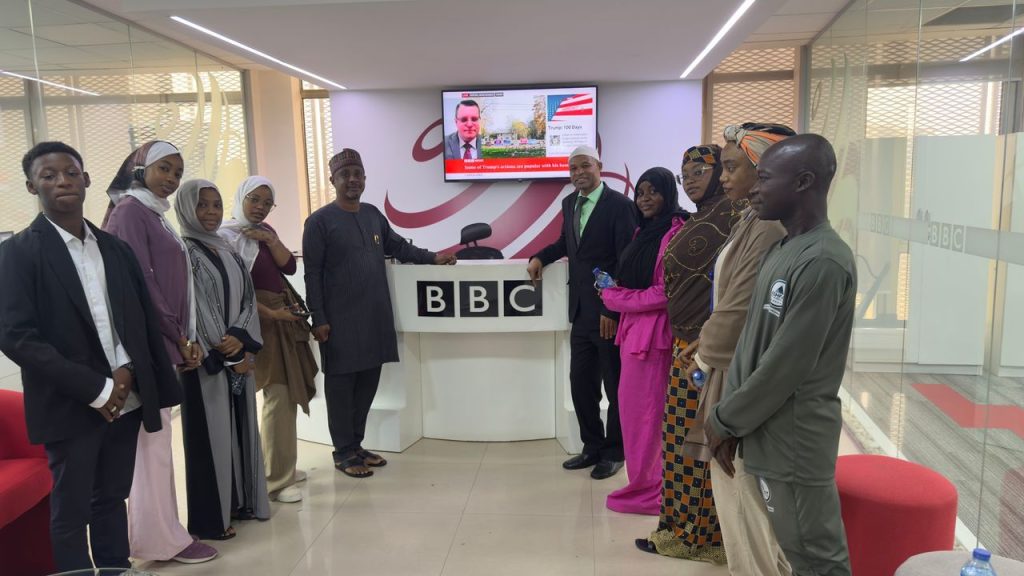
Mass Communication Students Pay Technical visits to BBC, Media Trust Abuja and others

As part of their practical learning and exposure to real-world media operations, Mass Communication students from Skyline University Nigeria (SUN) recently embarked on a series of technical visits to leading media organizations in Abuja, including BBC , Media Trust Group (publishers of Daily Trust), Nigeria Television Authority (NTA), and PR Nigeria. The study visits, which form part of the university’s commitment to experiential learning, provided students with firsthand experience of newsroom activities, media production, and content management processes across radio, television, print, and digital platforms. During their visit to BBC , students were taken through the intricacies of digital news production, storytelling for international audiences, and the role of impartiality in global journalism. The session included interactions with broadcast journalists, producers, and editors who shared insights into career progression and challenges in international media. At Media Trust Limited, the team was welcomed by editorial staff who guided the students through the editorial workflow of Daily Trust newspapers, Aminiya, Trust TV and Radio. The students toured various departments such as editorial, digital operations, and printing. Discussions focused on ethical journalism, investigative reporting, and media convergence. The visit to the Nigerian Television Authority (NTA) included a behind-the-scenes tour of the broadcast studios and control rooms. Students were briefed on television programming, news broadcasting, and technical aspects of live transmission. Senior producers and engineers explained the role of NTA in national integration and public broadcasting. At PR Nigeria, a leading media and public relations platform, students engaged with media strategists and PR practitioners. The focus was on crisis communication, media relations, strategic storytelling, and the evolving role of digital PR in government and institutional communication. Speaking on behalf of the university, a faculty member of the Mass Communication Department highlighted that the technical visits aim to bridge the gap between theoretical instruction and industry practice. “These visits are part of our strategic efforts to empower students with relevant field knowledge, improve their professional network, and equip them for the demands of modern media landscapes,” he said. Students expressed their excitement and gratitude for the exposure, noting that the experience deepened their understanding of media roles and responsibilities while reinforcing their passion You can join the conversation on Facebook @SkylineUniversityNG and on Twitter @SkylineUNigeria  

Mass Communication Students Pay Technical visits to BBC, Media Trust Abuja and others Read More »

EU AMBASSADOR VISIT 27-5-2025

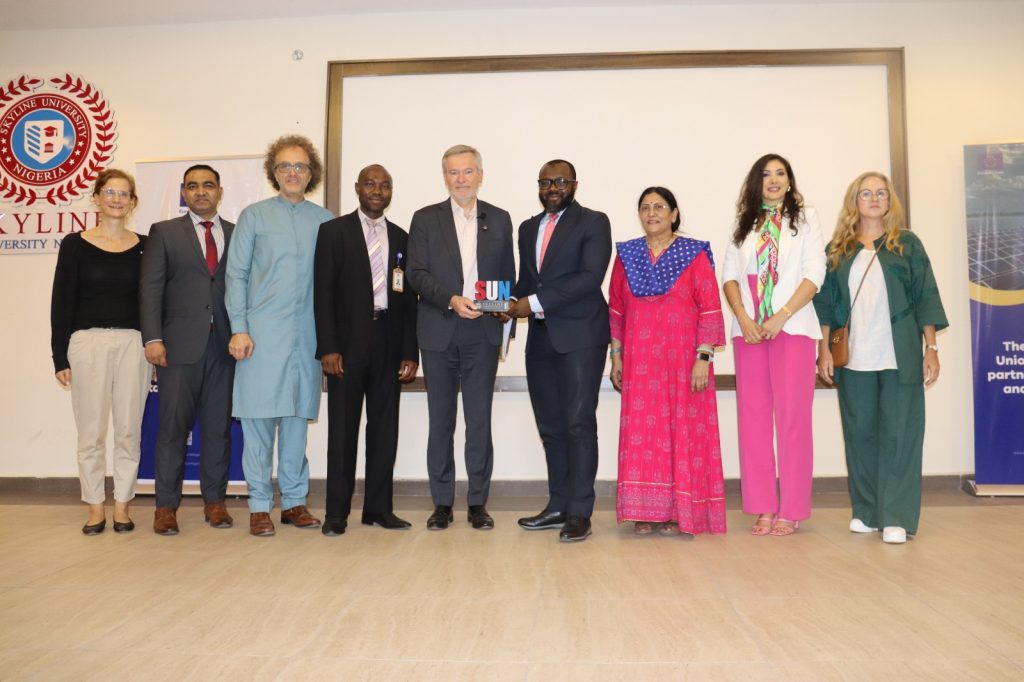
Skyline University Nigeria receives EU ambassador to Nigeria and ECOWAS

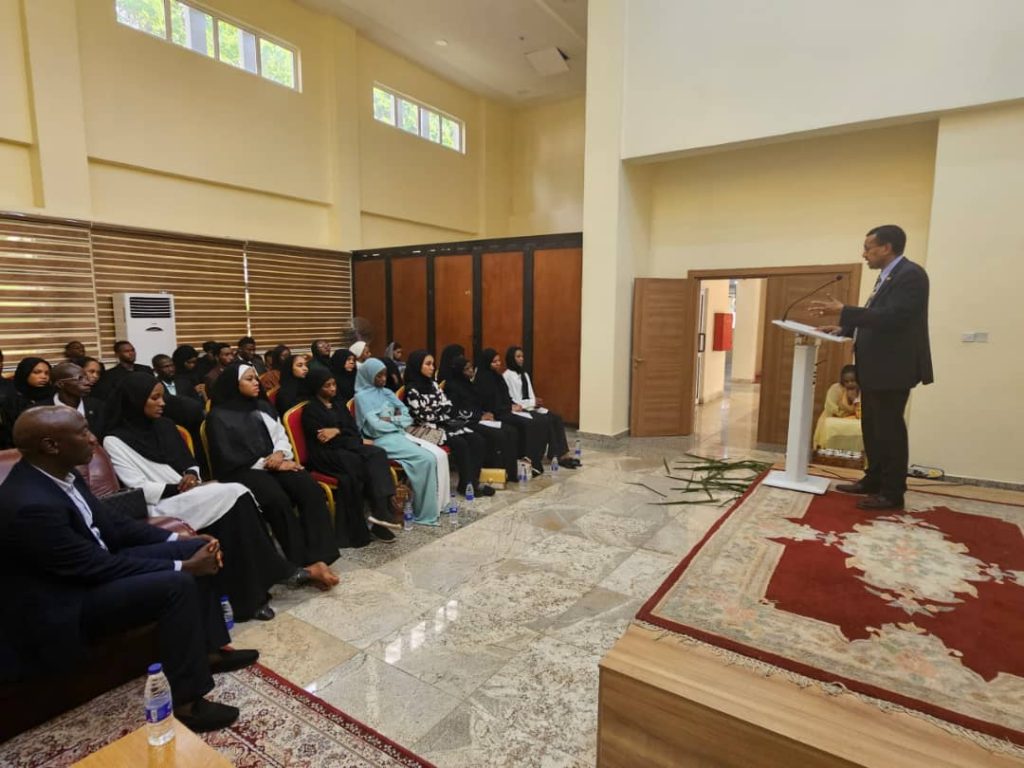
Skyline University Nigeria (SUN) has today, May 27th, 2025, received His Excellency, Ambassador Gautier Mignot, and his team, Massimo De Luca, Head of Cooperation, Inga Stepfanowicz, Team Leader, Godfrey Ogbemudia, Project Manager, and Karin Jensen for the German Embassy in Nigeria, on its campus. The session was also graced by students from SUN, Bayero University Kano, Northwest University, Capital City University, Baba Ahmed University and Khalifa Isyaku Rabiu University. Delivering the opening remarks during the occasion, the registrar of SUN, Mr. Ahmed Muhammed Abdullahi, deeply appreciated the ambassador and his delegation for the visits on behalf of the university’s management, students of SUN and participating students. He lauded him for choosing SUN as a platform for interfacing with students of higher education in Kano State. In his words, “We seek to encourage meaningful discussions that will encourage sustainable development.” In his remarks, Ambassador Mignot said he felt delighted and honoured to speak with students at the session. He stated that the EU has realised that challenges that happen globally are inextricably linked together. Living in a globalised world, international corporations like the EU have a role to play in fixing these problems globally, especially with the help of their member states, he said. He stated, “Higher education is an investment for a nation’s future.” The EU in this regard has created projects that have supported international mobility and intra-African mobility for students. These are greatly supporting a sustainable higher education structure in African countries, providing students with lifelong opportunities. The ambassador also explained that the EU has a mission of supporting development in northwestern Nigeria, which includes projects in health, agriculture, technology, women’s empowerment, etc. In her closing remarks, the Director of Government and Public Relations (DOPR) at SUN, Ms. Sarada Maganti, immensely thanked the delegation for gracing the university with their presence on the memorable occasion. She applauded the exceptional keynote speech delivered by the ambassador. She also lauded the efforts of the universities that participated in the event, stating that the platform will surely improve the inter-institutional cooperation which SUN deeply values. You can join the conversation on Facebook @SkylineUniversityNG and on Twitter @SkylineUNigeria  

Skyline University Nigeria receives EU ambassador to Nigeria and ECOWAS Read More »

Knowledge Update 26-5-2025

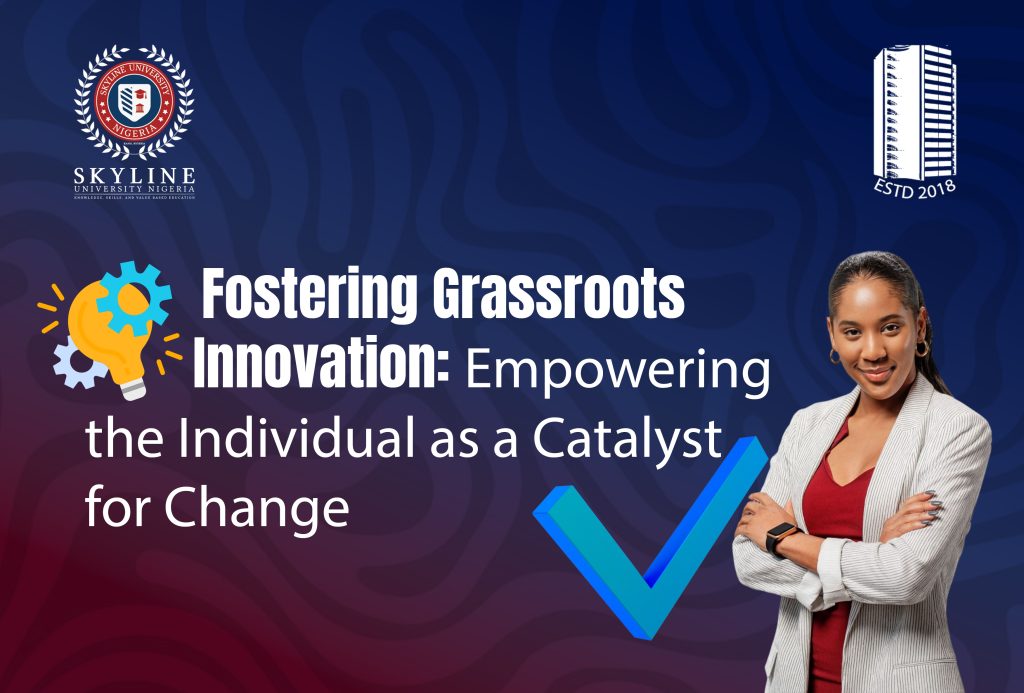
Fostering Grassroots Innovation: Empowering the Individual as a Catalyst for Change

Introduction Innovation has normally been associated with high capital expenditures, specialized buildings, and formalized research facilities (Dosi, 1982). However, a closer look shows that most often innovation arises from grassroots action and everyday problem-solving. This position aligns with bottom-up innovation, which is solution-oriented in terms of innovations arising from local necessity and making use of locally available resources (Zajda et al., 2020; Jones et al., 2021). The general premise is that the potential for innovation lies within each individual, particularly among student populations, and may be cultivated by an engaged attitude toward finding and closing perceived gaps. The Genesis of Everyday Innovation The proverbial saying, “Necessity is the mother of invention” (Plato, quoted by Shakespeare, n.d.), illustrates the very essence that drives innovation. For a student, they are constantly beset with problems of logistics, social, or environmental in nature that, while appearing trivial, have a significant impact on their everyday existence. It is in such moments of resistance and unmet needs that the roots of innovation are sown. In the words of Schumpeter (1934), innovation involves the “creative destruction” of existing orders and creation of new combinations. It involves, on the micro-level, rethinking mundane routines, inventing novel solutions to chronic troubles, or leveraging existing resources to the maximum. Examples of such everyday innovation include everything from creating special applications to streamline learning processes, from recycling materials to develop eco-friendly solutions, or from adopting alternative energy sources in a bid to deal with infrastructural limitations. These instances evidently depict that innovation relies neither on extremely sophisticated laboratories nor enormous amounts of funding but on a mindset of inquiry, analytical thinking, and a willingness to challenge the status quo (Valtonen et al., 2023; Valtonen & Lehtinen, 2023). Case Studies: Student-Led Innovation and Tangible Impact The ability of individual initiative to result in great change is attested through several student-led projects. For instance, a report indicates that students in the University of Nigeria, Nsukka (UNN) succeeded in initiating “RecyclArt,” a venture that recycles plastic garbage into eco-friendly furniture (Ejiofor, 2023). Besides fulfilling an environmental goal, this project gives rise to economic empowerment in the sense of job creation, which underscores the ripple impact of bottom-up innovation. Similarly, Ibadan students reportedly developed solar-powered telephone chargers out of waste materials to offset the impact of erratic power supply on their performances (Oyeniran, 2021). Babcock University had one student develop an attendance monitoring lecture application, which soon went across departments (Ogundipe, 2022). More broadly, African developing nations are increasingly looking towards new water technologies, such as solar-pumped water and fog harvesting, often utilizing indigenous knowledge to create sustainable water systems (UN SDGs, n.d.). These illustrations highlight a number of key features of student-led innovation: resourcefulness, wherein innovators use scarce resources to develop efficient answers; problem-orientation, as a result of close exposure to, and wish to solve, particular issues; proactive action, wherein students create chances actively rather than simply waiting for solutions to appear; and scalability, wherein early, focused solutions frequently have the potential to be applied and extend their impact more widely. These experiences entice social entrepreneurship models where the individual identifies social problems and comes up with innovative solutions to address them, often serving as a dual bottom line of sustainability and social contribution (Venkatesh Mukesh et al., 2024; Zlateva, 2024). Cultivating the Innovator’s Mindset: A Practical Framework While not everyone would be “innovators by birth,” innovative thinking can be developed and constructed (Sternberg, 1985). The initial step in doing so is to develop an increased sensitivity to the surrounding environment and to observe where innovation can take place. This involves a shift from simply observing to actually questioning: “What’s a problem that irks me on a regular basis? How do I fix this?” (Drucker, 1985). Subsequent stages are ideation, brainstorming concepts without worrying about their initial viability, encouraging venturing out of conventional thinking patterns and embracing seemingly unorthodox solutions (Albar & Southcott, 2021). Prototyping and iteration follow, embracing early versions being incomplete or even collapsing. The history of innovation is replete with examples of iterative development, mistakes offering lessons that make later attempts better (Christensen, 1997). The mentality, “Start where you are. Use what you have. Do what you can” (Arthur Ashe, as cited in ESPN, n.d.), encapsulates this pragmatic strategy. Finally, team work and feedback are also critical because dialogue with other students, mentors, and potential users to get feedback and refine solutions guarantees that innovation is never one individual’s effort, while constructive criticism has the power to leave a lasting legacy on the quality and practicability of an innovation (Beni, 2021; Nurturing Innovation, 2024). Beyond the Individual: Collective Impact and Legacy Individual problem-solving extends beyond personal ease; it creates a shared impact. Every in-place solution has the possibility of diminishing loads for a greater population, therefore magnifying its impact and having a legacy for good (Rogers, 2003). This perspective challenges the notion that only large impact is left to founded organizations or post-graduation activities. As Steve Jobs once famously advocated, “The people who are crazy enough to think they can change the world are the ones who do” (Apple Inc., 1997). Empowering individuals, particularly students, to have faith in their own capability to solve problems brings about an abundance where improvement and adaptive solutions are the way of life. It provides one with the confidence of belief in oneself to be able to bring about change regardless of socioeconomic background or resource availability. The core requirement is belief in the potential for transformation by the mind, hands, and heart. Conclusion Last, innovation is not an abstract world but an actual capability that resides within every individual. By shifting the limelight from grandiose, institutionalized endeavors and focusing it on the location and empowerment of neighborhood problem solvers, particularly students, we can access an enormous reservoir of creative potential. The individual who has successfully passed over a challenge for others, created a solution from limited resources, or located an optimized process has truly demonstrated innovative capacity. The mandate is not to innovate, but

Fostering Grassroots Innovation: Empowering the Individual as a Catalyst for Change Read More »

Train the Trainer 23-5-2025

Train the Trainer: SUN trains North-west Proprietors and Principals on Leadership, Education and Sustainable Development

The management of Skyline University Nigeria (SUN) has conducted an exclusive train the trainer session for school proprietors and principals of North-West on leadership, education and sustainable development. The event gathered education leaders from neighboring states as Kaduna and Jigawa states. Delivering the opening remarks, Ms. Sarada Maganti, the Director of Public and Government Relations (DOPR) at Skyline University Nigeria, welcomed participants and emphasized the university’s unwavering commitment to advancing quality education and leadership across the North-West region. She highlighted the importance of collaborative efforts in achieving sustainable development goals and commended the attending proprietors and principals for their dedication to transforming the educational sector. Ms. Maganti noted that by empowering school leaders with the right tools and knowledge, SUN aims to create a ripple effect that will positively impact students, educators, and the broader society. During the first session, the Vice-Chancellor of Skyline University Nigeria, Prof. Ajith Kumar V. V., delivered an insightful presentation on the topic, ‘Future-Ready Schools: Leadership, Innovation and Sustainable Growth in Education.’ He emphasized the need for school leaders to embrace transformative leadership practices that prepare educational institutions for the evolving demands of the 21st century. He then highlighted the importance of fostering innovation, adaptability, and ethical governance to build resilient schools capable of driving sustainable development within their communities. In another engaging session, Dr. Raghu Yadaganti, a lecturer in the Department of Management at SUN, presented on ‘AI Tools in School Management: A Leadership Approach.’ He explored the growing role of artificial intelligence in enhancing administrative efficiency and decision-making within educational institutions. Dr. Yadaganti demonstrated how AI can support school leaders in areas such as performance tracking, resource management, and personalized learning. He urged participants to leverage technology not only as a tool for modernization but also as a catalyst for strategic and informed leadership. The sessions were designed to equip participants with advanced skills in educational leadership and sustainability practices, emphasizing the need for inclusive, future-forward education systems. By targeting proprietors and principals—the decision-makers and influencers in schools—the training aimed to foster a trickle-down effect that would benefit teachers, students, and entire learning communities. In their various remarks after the sessions, the participants applauded the university management for putting together a powerful and insightful session. You can join the conversation on Facebook @SkylineUniversityNG and on Twitter @SkylineUNigeria  

Train the Trainer: SUN trains North-west Proprietors and Principals on Leadership, Education and Sustainable Development Read More »

Knowledge update May 21-5-2025

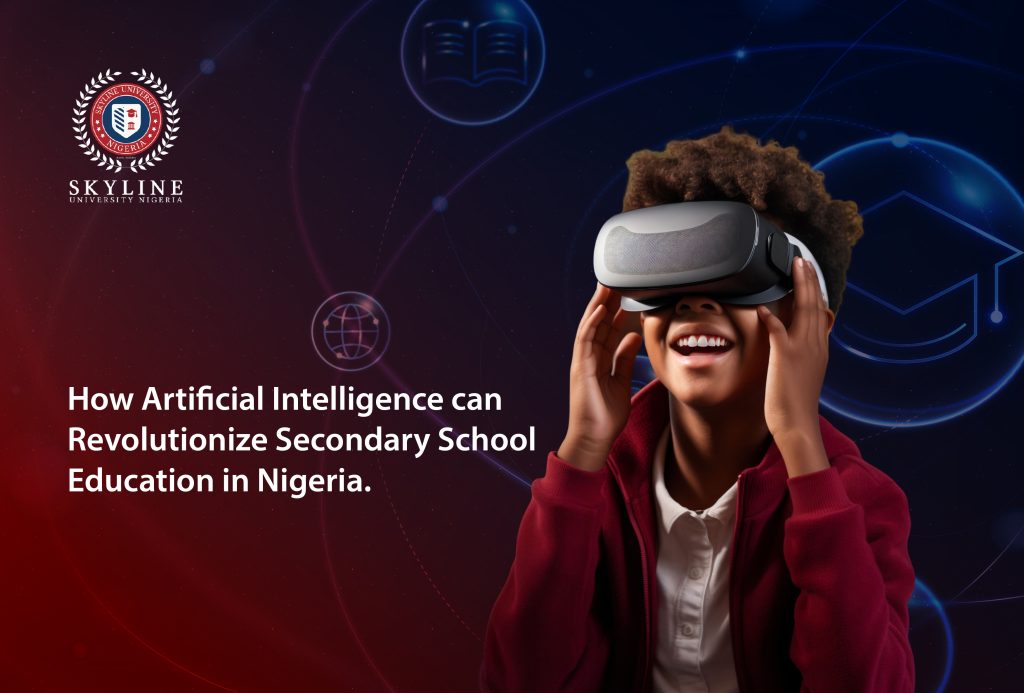
How Artificial Intelligence can revolutionize Secondary School Education in Nigeria

Introduction Nigeria stands to gain much from the rapid transformation of the global education system brought about by artificial intelligence (AI).AI technologies through STEM can strengthen the educational system in the country in structure and delivery of service. Despite existing challenges in infrastructure, equitable access, and digital literacy, advancements from programs like the Universal Basic Education (UBE) program continue to drive progress within the Nigerian education system. For Nigerian families, education is a top priority since it is seen as a means of achieving both socioeconomic and personal development. As a result, incorporating AI into secondary school is not merely a novel idea; rather, it is essential. Nigeria can better prepare its children for success in the information economy of the twenty-first century by utilizing AI’s power to democratize access to high-quality education, improve teacher capacity, and personalize instruction. Artificial Intelligence in Education (AIED) The use of intelligent systems to improve the delivery of education is known as artificial intelligence in education (AIED). These technologies are made to automate operations that have historically required human labor, evaluate data, and adjust to each learner’s unique needs. AI-powered systems such as DreamBox and Knewton tailor the way content is delivered to each student according to their learning preferences and pace. While systems like Coursera and Duolingo use natural language processing (NLP) to provide dynamic, adaptive learning experiences, tools like Gradescope automate grading. Real-time feedback, early detection of difficult pupils, and enhanced accessibility for students with impairments are all made possible by artificial intelligence in education. Additionally, by facilitating adaptive learning pathways and enhancing information delivery via immersive technologies like virtual and augmented reality, AI promotes lifelong learning. However, rigorous data protection regulations, ethical frameworks, and intensive teacher training are necessary to fully realize AIED’s potential. Nigerian Secondary Schools Need AI Integration Experts like Abel Aboh are calling for swift action to integrate AI into Nigerian secondary schools, and the cry is becoming stronger. Aboh emphasizes that in order to enable future generations to not only use technology but also to develop with it, AI and digital skills must be introduced from an early age. Nigeria runs the risk of lagging behind as AI is quickly incorporated into educational institutions throughout the world. There are other obstacles, such as the fact that many schools still lack computers, internet connection, and qualified staff. AI, on the other hand, has the potential to be a game-changing equalizer by providing standardized, superior resources regardless of location. Early AI exposure can open up new employment possibilities in technology, data science, and creativity while preparing kids for a digital economy. Though experts advise expanding this to at least 10 million, Nigeria’s initiatives to train three million young people in tech skills are a promising beginning. In order to establish a clear policy direction, Aboh also highlights the necessity of passing the Digital Economy Bill and completing the national AI plan. Nigeria will be positioned as a progressive, technologically inclusive nation by addressing the digital divide, improving infrastructure, and expanding AI education. AI Transforms Teaching and Learning AI is completely changing the way that people learn and teach. AI assesses each student’s strengths and shortcomings through individualized learning systems, then tailors information to close learning gaps. This is especially helpful in schools with limited funding, where pupils might not get enough assistance. Chatbots and virtual AI tutors offer round-the-clock academic support, increasing educational accessibility for students in underserved or rural places.AI frees up teachers’ time to concentrate on developing students’ creativity, critical thinking, and emotional intelligence by reducing administrative tasks like grading and attendance monitoring. By identifying at-risk kids based on performance trends, AI analytics also make early intervention possible. Early AI integration guarantees that pupils acquire future-ready abilities like digital literacy, coding, and problem-solving—skills crucial for the contemporary workforce. Challenges to Implementing AI in Nigerian Schools Notwithstanding its potential, there are a number of obstacles to incorporating AI into Nigeria’s educational system: Recommendations for Effective AI Adoption A well-funded, inclusive, and strategic approach is needed to fully utilize AI in secondary education in Nigeria. The following are important suggestions: Conclusion Nigerian secondary education could undergo a transformation thanks to artificial intelligence, which could solve long-standing issues and get pupils ready for a world that is changing quickly. AI integration can become a reality with a dedicated and inclusive approach encompassing the government, educators, commercial partners, and communities, even though obstacles like infrastructure gaps, cost, and ethical issues still exist. Now is the moment to take action since funding AI in education is an investment in Nigeria’s future. References Dr. Raghu Yadaganti is a professional with 18 years of expertise in teaching, research, and industry consulting in the areas of digital marketing, social media analytics, consumer behavior, and entrepreneurship, Dr. Raghu Yadaganti is an academician, researcher, and consultant. He has a Ph.D. in digital marketing and has written a research articles for both National and international publications.

How Artificial Intelligence can revolutionize Secondary School Education in Nigeria Read More »

IRS Field Trip 16-5-2025

International Relations students visit United Nations Office Abuja, Yiaga Africa, Yunus Emre Institute and others

Skyline University Nigeria (SUN) International Relations students have paid visits to the United Nations office in Abuja, Yiaga Africa, Yunus Emre Institute and other notable places in Abuja. This was in a successful four-day academic field trip to by students. The exercise, took place from 29th April to 2nd May 2025, was designed to provide students with practical exposure to diplomacy, global governance, and international cooperation. A total of 42 students and 3 faculty members participated in the field trip. Throughout the visit, students had the opportunity to engage with top institutions, embassies, and international organizations, allowing them to experience the application of theories and concepts discussed in class within real-world settings. One of the major highlights was the visit to the United Nations Office in Abuja, where students were received by Dr. Oluseyi Soremekun, National Information Officer, and Ms. Adwoa Kufuor-Owusu, Senior Human Rights Adviser. Students were engaged in discussions on the United Nations’ structure, its global mission, human rights advocacy, and career opportunities within the system. At Yiaga Africa, students were received by Head of Administration and Human Resources, Mr. Ogbonna Ugorji. The interaction with the students were led by Ibrahim Faruk – Program Coordinator who talked about what Yiaga Africa is doing with focus on the contributions to global governance. Notably, discussions were initiated on establishing a #NotTooYoungToRun Hub at Skyline University Nigeria, with the aim of deepening youth political education and leadership development. The visit to the Yunus Emre Institute provided a window into the cultural diplomacy efforts of Türkiye. Students explored how soft power is deployed through language, arts, and education. The Director of the Institute, Mr. Musa Erbaş, expressed readiness to collaborate with Skyline University, including plans to explore the establishment of a cultural centre in Kano. Further enriching the academic aspect of the trip was the engagement at the Ethiopian Embassy, where students received an orientation on Ethiopia’s foreign policy priorities and the country’s bilateral relations with Nigeria. The students were also hosted at the Embassy of Niger, where they were introduced to the key responsibilities of diplomats and the importance of regional cooperation. At the Savannah Centre for Diplomacy, Democracy and Development—founded by renowned diplomat Prof. Ibrahim Gambari—students interacted with seasoned foreign service professionals. The Centre expressed interest in continued collaboration with Skyline University, including virtual mentoring sessions and experiential learning initiatives. In his remarks after the trip, the Head of the Department of International Relations, Mr. Yakubu Elisha Nyam, commended the students for their discipline and active participation throughout the trip. He affirmed that the experience was a milestone in advancing practical learning and equipping students with global competencies in diplomacy and international affairs. You can join the conversation on Facebook @SkylineUniversityNG and on Twitter @SkylineUNigeria  

International Relations students visit United Nations Office Abuja, Yiaga Africa, Yunus Emre Institute and others Read More »

SBMS TECHNICAL VISITS AND GUEST LECTURES 15-5-2025

Medical Laboratory Science Department organizes Guest Sessions and Technical Visits for Students

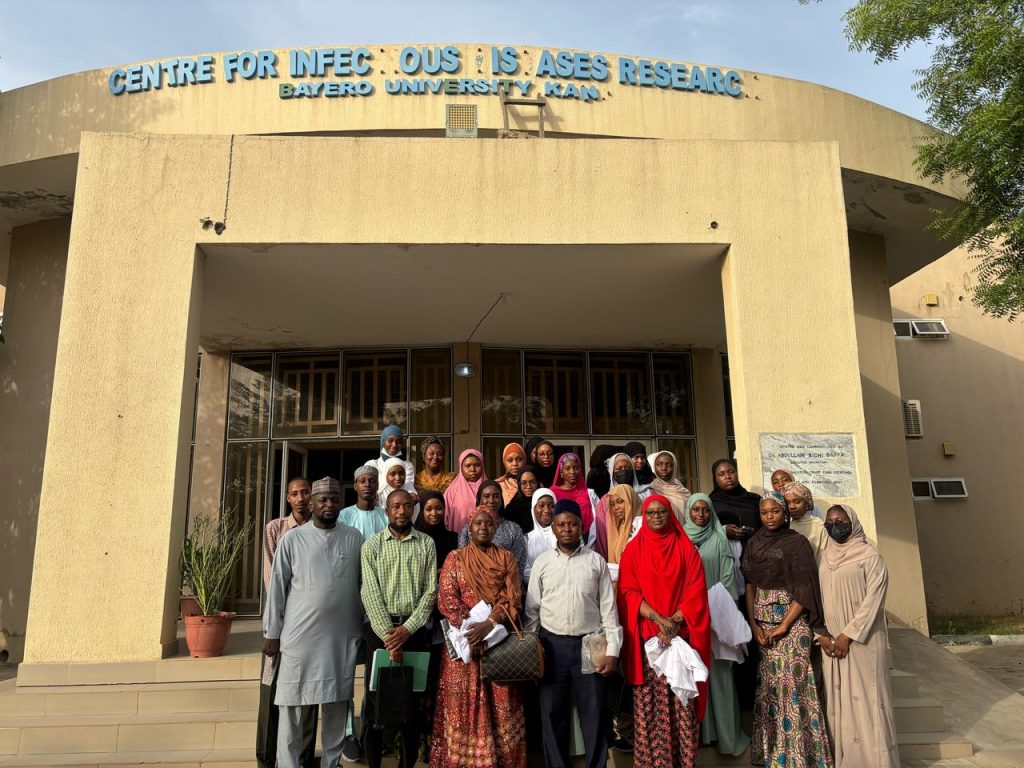
The Medical Laboratory Science Department has recently organized guest sessions and technical visits for level 100, 200 and 300 students in the department. These activities were done to allow the students combine theory and industry best practices that will help them in their future endeavors. Under the leadership of Assoc. Prof. Hadiza Lawal Abdullah, the Head of the Department of Medical Laboratory Science Department at SUN, Mrs. Rabiatu Ibrahim Mahmud, Mr. Isyaku Alhassan Isyaku and other staff, the guest sessions hosted Dr. Armiya’u Ahmed Yelwa, the Head of Department of Medical Laboratory Science at Kaduna State University and CEO of Arma Biomedical Ltd, Mr. Mubarak Saleh Bagwai, a Medical Laboratory scientist and CEO of Next Star International Co. Limited- a company for Medical Supplies and Contracts who also newly founded the Ceells Biotechnology Company Limited for Medical products manufacturing and production., and Ms. Wasila Aminu Goron Duma, the CEO of TAT Clinic and Diagnostics. The specialists discussed relevant topics under the theme ‘Medical Laboratory Science Profession in Nigeria: Evolution, Current Practice and Challenges’. They educated the students about entrepreneurship options available for the career and trends that are currently being adopted by experts in the field. The students were talked through personal and professional experiences and highlights of important points they should especially consider. More so, the department also hosted a virtual session hosting Mr. Abdulaziz Tahir Idris, who is currently a Ph. D candidate in Brazil. Mr. Idris discussed the importance of medical laboratory scientists in the world currently. He noted that the world goes through transformation, and medical laboratory scientists are very vital in this transformation. The student also paid technical visits to MedServe (NKDC) Laboratory and Centre for Infectious Disease Research under the NCDC, North-West Reference Laboratory in Aminu Kano Teaching Hospital. At MedServe, the students were given a guided tour and a brief lecture by Aisha Abubakar Jibril, a senior medical laboratory scientist, while Assoc. Prof. Jamilu Bala Abubakar and Prof. Isah Aliyu Abubakar also gave some lectures to the students at the Centre for Infectious Disease Research. Both of them discussed ‘The importance of molecular biology techniques to medical laboratory science today’. The purpose of the visit was to expose the students to modern techniques and recent trends in laboratory research and activities. You can join the conversation on Facebook @SkylineUniversityNG and on Twitter @SkylineUNigeria  

Medical Laboratory Science Department organizes Guest Sessions and Technical Visits for Students Read More »

Knowledge update 13-5-2025

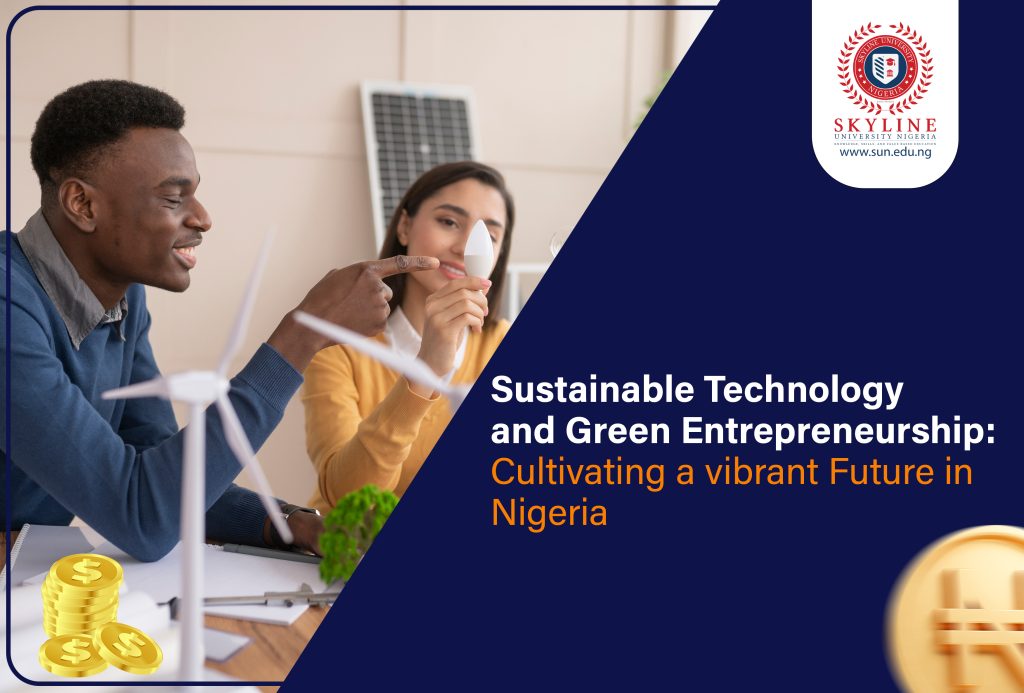
Sustainable Technology and Green Entrepreneurship: Cultivating a Vibrant Future in Nigeria

Introduction Nigeria, a nation brimming with ingenuity and a youthful, dynamic population, stands on the cusp of an exciting transformation. While acknowledging existing environmental challenges, this article focuses on the immense opportunities that sustainable technology and green entrepreneurship present for the country’s future. By embracing innovative solutions that harmonize economic growth with environmental sustainability, Nigeria can tap a new era of industries, generate good jobs, and build a healthier, richer nation for all. The conversation is a journey into the encouraging landscape of sustainable technology in Nigeria, where the growing industry of green entrepreneurship is viewed as an essential driver in bringing this radiant future to fruition. Nigeria, a nation so rich in potential, can harness sustainable technology to address its evolving needs while building a more sustainable environment as well. This includes the vast, untapped potential of solar energy, ready to illuminate homes and businesses across the nation, reducing the necessity for less sustainable energy sources. State-of-the-art waste-to-energy initiatives offer a dual benefit, transforming the issue of waste management into an opportunity for energy generation and resource recovery (Richard et al., 2021). Furthermore, the adoption of advanced water filtration and conservation systems has the promise of widening access to clean water, building healthier communities, and improving agricultural yields. Driving this green revolution is the rapidly emerging spirit of green entrepreneurship. Nigerian entrepreneurs are increasingly viewing environmental problems not as problems, but as fertile opportunities for innovative businesses (Jeevan, 2017). Across the country, there are encouraging examples: thriving solar energy companies bringing electricity to off-grid communities, innovative businesses transforming plastic waste into valuable new products, and a growing movement towards organic and sustainable agricultural practices. These businesses are not only assisting in giving a cleaner environment, they are also generating considerable revenue, creating jobs, and empowering communities. That businesses like Kaltani in Lagos are thriving and demonstrating the scalability of plastic recycling, and that there are several smaller enterprises turning waste into art and building materials, speaks to the potential and innovation that is present in Nigeria. While the journey of green entrepreneurship requires dedication and strategic support, Nigeria has inherent advantages that can overcome potential obstacles. The nation’s entrepreneurial spirit and the growing awareness of environmental issues among its people offer fertile ground for the adoption of sustainable practices. The government’s growing focus on renewable energy and policies aimed at promoting clean technologies provide a supportive ecosystem for green businesses. Organizations like the Clean Technology Hub in Nigeria are enabling the next generation of green leaders, particularly women, with critical incubation and acceleration programs (Tech in Africa, 2025). Moreover, the heightened engagement with international partners and development institutions provides exposure to critical expertise and finance. As Nigeria is vulnerable to the impacts of climate change, embracing sustainable solutions is not just an environmental imperative but an economic one (Ajol.info, 2020). Green entrepreneurship is a futuristic strategy towards a more resilient economy by backing businesses that minimize environmental risks, conserve key resources, and create innovative responses to a shifting climate. Conclusion Nigeria stands at an encouraging juncture where being responsible stewards of the environment and economic development are not opposing but complementary agendas. The heightened adoption of green technologies, driven by a new dynamic and innovative generation of green entrepreneurs, paints the future as one that is full of promise. By unlocking its own entrepreneurial spirit, leveraging enabling policies, and riding growing awareness of environmental responsibility, Nigeria can become a leader in green innovation. The way to a greener tomorrow is not just problem-solving; it is about unleashing the tremendous potential within Nigeria to develop a prosperous, rich, and environmentally sustainable nation for generations to come. Okay, here are the references from the article, now including the publication dates where available: References Ajol.info. (2020). Climate change impact on business opportunities in south east Nigeria | International Journal of Development and Management Review. Retrieved from https://www.ajol.info/index.php/ijdmr/article/view/197245 Dzingirai, M., Trivedi, S., & Maziriri, E. T. (2024). Challenges Faced by Green Entrepreneurs During Turbulent Times: Evidence from Zimbabwean SMEs. In D. Mhlanga & M. Dzingirai (Eds.), Sustainable Finance and Business in Sub-Saharan Africa (pp. 415-428). Springer. Jeevan, P. (2017). Green Entrepreneurship – a conceptual framework. ResearchGate. (2024). Green Entrepreneurship and Sustainability in Developing Countries: Opportunities, Challenges, and Future Research Directions. Retrieved from https://www.researchgate.net/publication/380759696_Green_Entrepreneurship_and_Sustainability_in_Developing_Countries_Opportunities_Challenges_and_Future_Research_Directions

Sustainable Technology and Green Entrepreneurship: Cultivating a Vibrant Future in Nigeria Read More »

pocket MBA 12-5-2025

Skyline University Nigeria hosts A. A. Rano staff for Pocket MBA

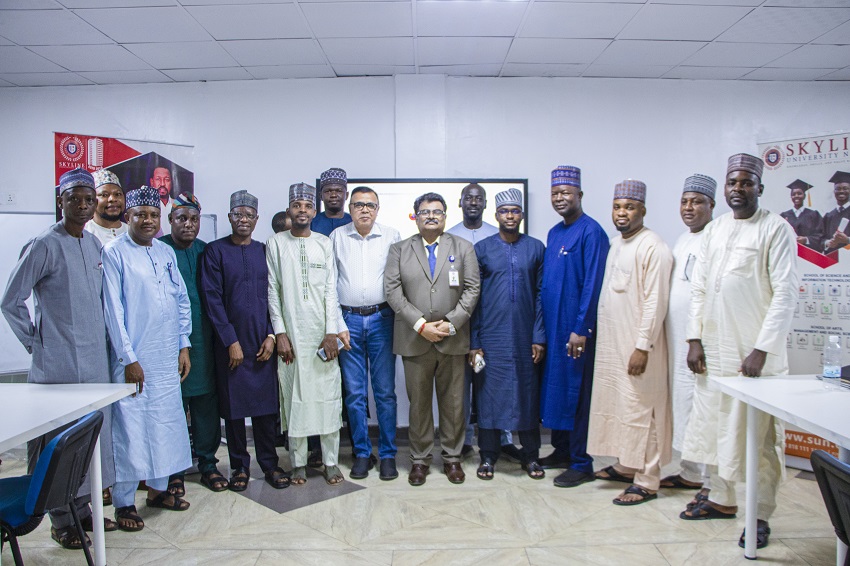
Skyline University Nigeria (SUN) has on Saturday May 12th, 2025, hosted the staff of A. A. Rano Nigeria Limited for a specialized training program tagged “Pocket MBA,” aimed at enhancing managerial and leadership capacities within the organization. The event, which took place at the university campus in Kano, is part of Skyline’s continued efforts to promote corporate learning and professional development through tailored executive education. The Pocket MBA program featured a comprehensive curriculum designed to offer business fundamentals in a compact and accessible format, ideal for working professionals. A notable highlight of the program was a session on “Strategic Intelligence Leadership” delivered by the Vice-Chancellor of Skyline University Nigeria, Professor Ajith Kumar V. V., which provided participants with deep insights into data-driven decision-making and visionary leadership in a competitive business landscape. The Vice-Chancellor also commended A. A. Rano Nigeria Limited for investing in human capital development and reaffirmed the university’s commitment to supporting industry through knowledge transfer and capacity-building initiatives. He emphasized the importance of bridging academic knowledge with practical business needs and highlighted the vital role of strategic leadership in achieving long-term organizational success. His session further reinforced the value of foresight and adaptive thinking for leaders in today’s dynamic economic environment. Representatives from A.A. Rano expressed appreciation for the impactful sessions, noting that the Pocket MBA program not only broadened their business perspectives but also reinforced the company’s vision for leadership excellence. You can join the conversation on Facebook @SkylineUniversityNG and on Twitter @SkylineUNigeria  

Skyline University Nigeria hosts A. A. Rano staff for Pocket MBA Read More »

Matriculation 2024-2025

Skyline University Nigeria conducts Matriculation Ceremony for 2024/2025 Academic Year

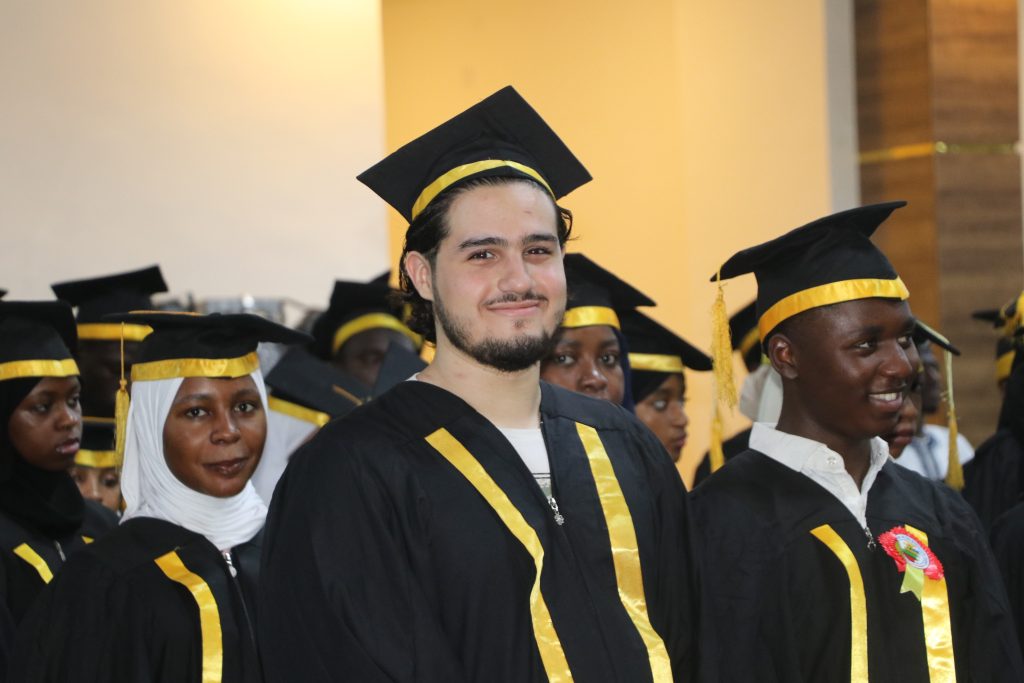
Skyline University Nigeria (SUN), has on Friday May 9th 2025 conducted its matriculation ceremony for the 2024/2025 academic year. This significant event marked the official induction of new students into the university community, symbolizing the commencement of their academic journey at SUN. The ceremony took place in the university’s auditorium, where students, faculty, and staff gathered to celebrate this important milestone. In his welcoming remarks, the registrar of SUN, Mr. Ahmed Muhammed Abdullahi, also welcomed the new students, advising them to be punctual and adhere to the university’s rules and regulations. The Vice-Chancellor of SUN, Prof. Ajith Kumar V. V., addressed the matriculating students, congratulating them on their admission and encouraging them to uphold the university’s values and standards. He emphasized the importance of academic integrity and urged students to shun social vices, aiming to be exemplary individuals who make positive impacts in their communities. During the ceremony, deans from various schools within the university presented their respective students for matriculation. Dr. Ajayi Olumide, Dean of the School of Arts, Management and Social Sciences (SAMSS), Dr. A. Senthil Kumar, Dean of the School of Science and Information Technology (SSIT), Dr. Abdussalam Tolani Balogun from the School of Legal Studies (SLS), and Prof. Faruk Sarkin Fada from the School of Basic Medical Sciences (SBMS) each presented their students from various departments. Guided by the registrar, the students took their oaths while the Vice-Chancellor accepted them into the university. This formal presentation signified the students’ official entry into their chosen academic disciplines. In his closing remarks, the Head of the Students Service Department (SSD), Mr. Trimisiyyu Omotayo Lawal, commended the university’s management and staff for the successful organization of the matriculation ceremony. He highlighted the high expectations placed on the students by their families and the university, encouraging them to strive for excellence in their studies. You can join the conversation on Facebook @SkylineUniversityNG and on Twitter @SkylineUNigeria  

Skyline University Nigeria conducts Matriculation Ceremony for 2024/2025 Academic Year Read More »